

Nov-Apr (dry season)
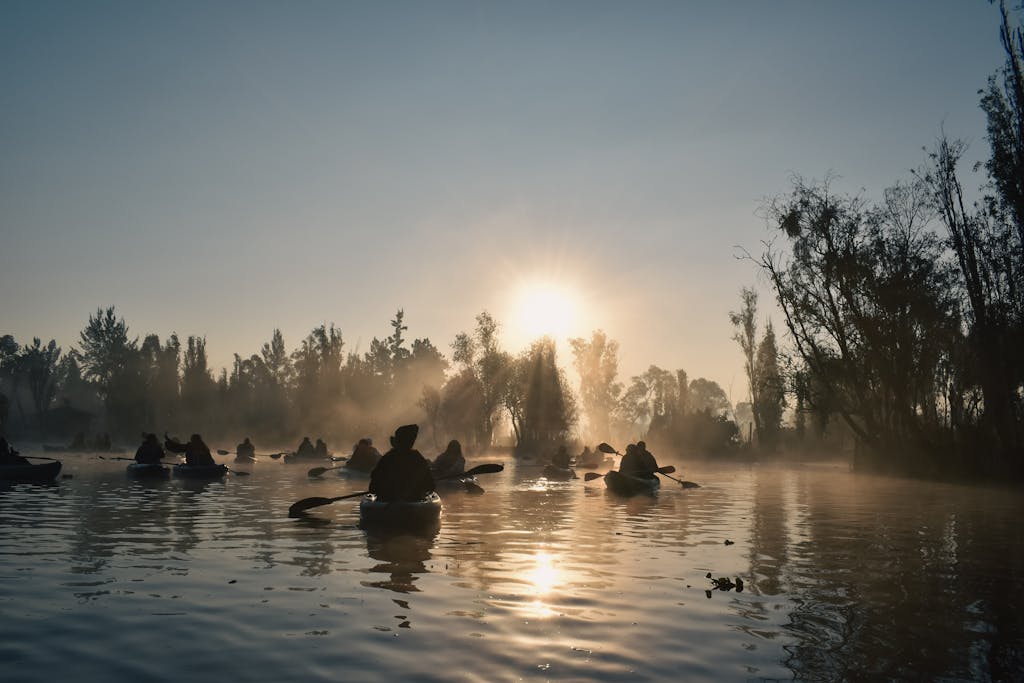
Dry, sunny conditions make this the steadiest stretch for sunrise or sunset tours, since low humidity and minimal wind keep the canals glassy and photography reliable.
Southern Mexico City's floating gardens, painted boats, and working canals rooted in centuries of chinampa farming.
Explore AttractionsThe canals of Xochimilco are the last living fragment of a lake that once covered the valley floor and carried the causeways of Tenochtitlan.
Where the water now runs, Aztec farmers built chinampas — rectangular garden beds anchored to the lakebed with willow roots — and those plots still yield lettuce, radishes, and marigolds. Little else in a city of concrete keeps such direct contact with its founding landscape.
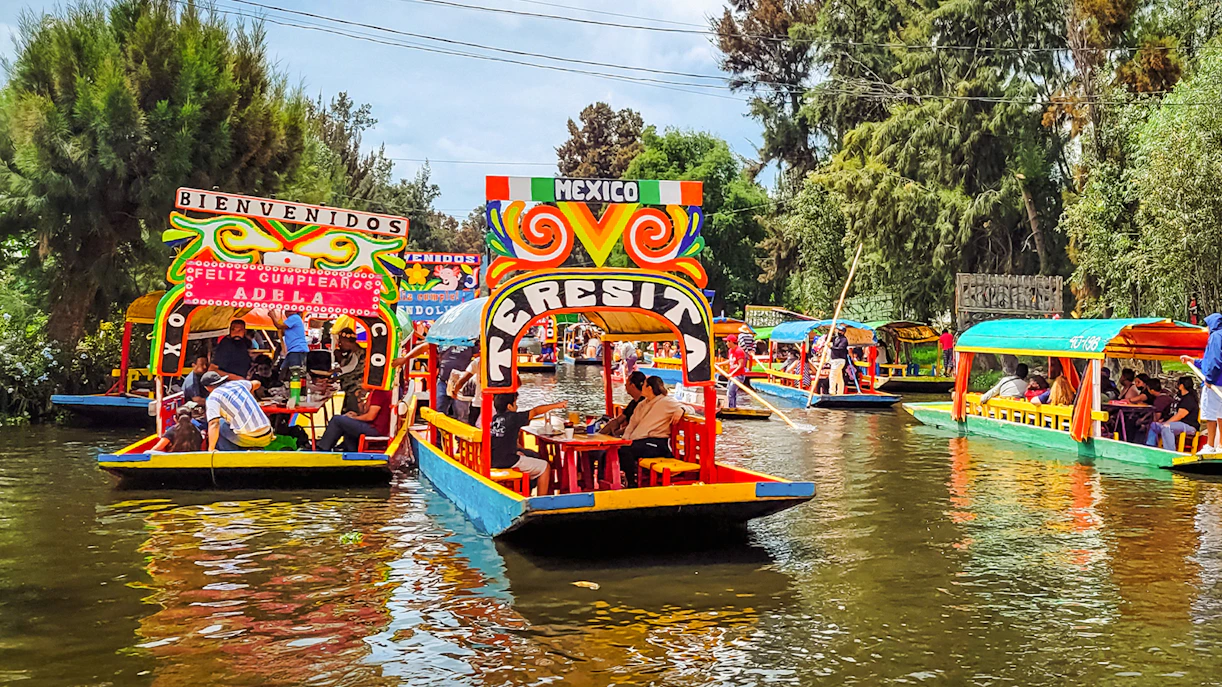
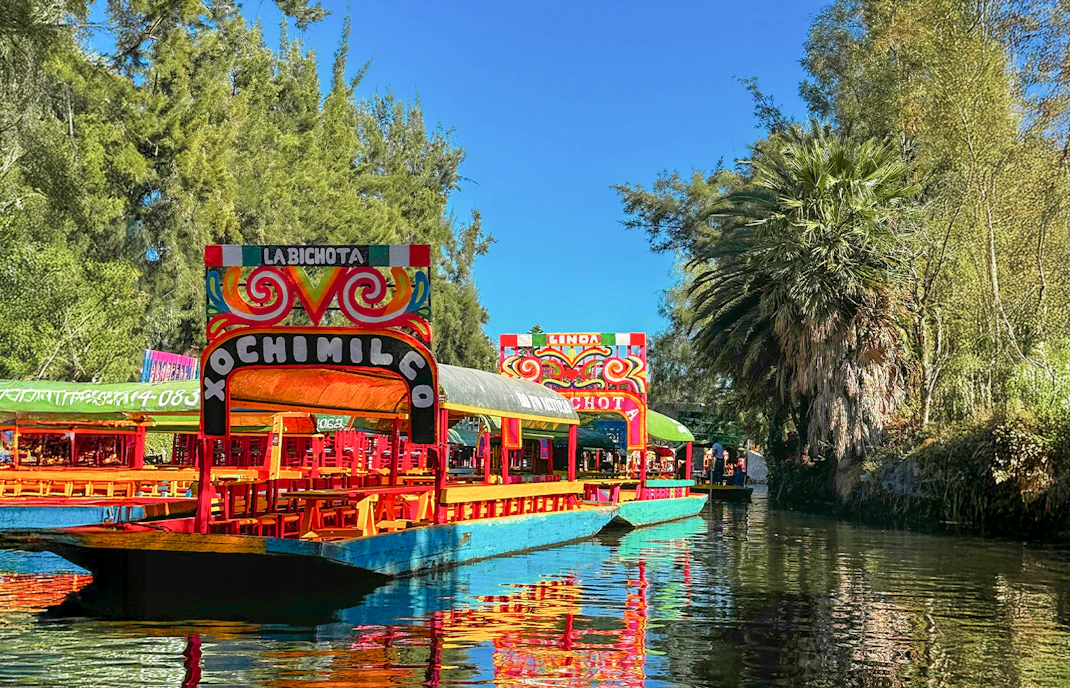
What shaped this place was agriculture, not spectacle. The Nahuatl name means "place where flowers grow," and the flower trade remains its quiet engine, supplying nurseries and market stalls across the capital. The waterways were highways before they were attractions, and the trajinera — the flat wooden boat poled through the channels — began as a working craft for moving produce. Its painted canopy and lettered arch came later, turning labor into pageantry. In 1987 the canals and their gardens entered the UNESCO World Heritage list, recognition of a farming system found almost nowhere else.
Today the place holds several distinct experiences within one geography, and the site's own pages map them cleanly. Xochimilco Private Boat Tours offer the canals at an unhurried pace, without the weekend crush. Sunrise & Sunset Tours trade the midday color for still water and low light. The Axolotl Sanctuary Tours turn attention to the endangered salamander that breathes through feathered gills and survives in the wild only here. Food & Mezcal Tours follow the flavors of the chinampa harvest, while the Frida Kahlo Museum Combo links the water to the painted courtyards of nearby Coyoacán. Each threads through the same reeds and bridges from a different angle, and the range is what makes Xochimilco Tours worth more than a single afternoon.
The destination suits the curious over the hurried. It rewards travelers who care where their food grows, who notice a heron on a chinampa bank, who want the capital's older rhythm rather than its skyline. Families find room to spread out; naturalists find a habitat under real pressure and real protection. The many Xochimilco Tours tours available range from lantern-lit evening drifts to gardener-led walks among the beds, and booking Xochimilco Tours tickets in advance secures the quieter boats. A single Xochimilco Tours tour can hold a mariachi serenade, a plate of grilled corn, and a glimpse of a creature older than the city itself. Few corners of Mexico City ask so little and give back so much of its own history.
“Little else in a city of concrete keeps such direct contact with its founding landscape.”
Xochimilco preserves the last navigable remnants of the lake system that once fed Tenochtitlan, farmed by chinampa growers to this day.
Flat-bottomed boats in vivid colors carry visitors past floating gardens, each vessel named and canopied in the local tradition.
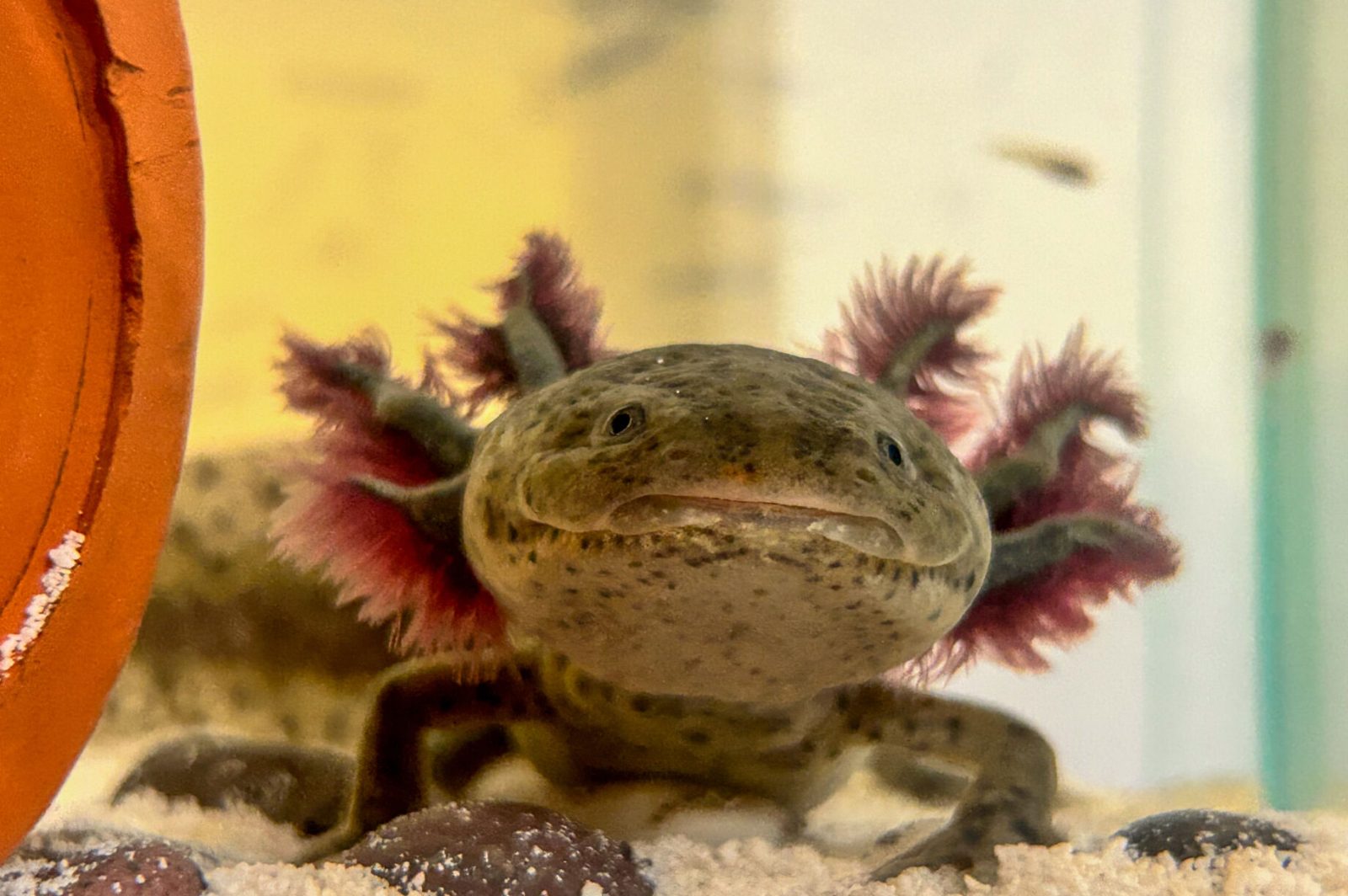
The canals shelter the endangered axolotl, the salamander found wild nowhere else on Earth.
Every Xochimilco tour begins on the water, but the trajinera is a starting point, not the whole story. This collection sorts the borough's canal experiences by what you actually want from your hours aboard: a private boat, a quiet dawn crossing, a museum pairing, wildlife you can only see here, or a floating meal. Read each page for its focus, then match it to your group, your pace, and how much of the ancient chinampa landscape you plan to reach.
Food Tour
Taste your way across the canals with dishes cooked on board and mezcal poured as you drift, sampling regional flavors between chinampa farms without leaving the trajinera.
Wildlife
Visit working chinampa sanctuaries protecting the endangered axolotl in its only wild home, meeting the salamanders in tanks and learning how farmers keep the canal water clean.
Scenic Tour
Cross the canals at first or last light, when the vendor boats thin out and low sun colors the water, birds feed among the chinampas, and photographs come easy.
Combo Tour
Pair the Casa Azul in Coyoacán with the canals in one outing, moving from Frida's cobalt courtyard and personal effects to an afternoon aboard a trajinera.
Boat Tour
Book a whole trajinera for your group alone, with a dedicated boatman poling at your pace and room to bring your own drinks, music, and route through the quieter canal branches.
Xochimilco rewards a plan built around the water and the streets that feed it. These three routes stack the site's tours in a logical order, whether you have a half-day, a full day, or a weekend. Each stop links to its dedicated tour page where one exists; the rest are quick anchors between them.
Board a private trajinera to glide the canals and chinampas at your own pace, roughly two hours with room to stop for floating vendors. Book the private option to skip shared-boat waits on busy mornings.
View guideWalk the covered market a few blocks from the embarcadero to browse produce, flowers, and prepared stalls. Budget about 45 minutes and carry small cash for tastings.
Tour a chinampa sanctuary to see axolotls and the conservation work keeping them alive, about 90 minutes with a guide. Ask about handling rules before photographing the tanks.
View guideFollow a guided route through regional dishes paired with mezcal and pulque tastings, roughly three hours across several stops. Come hungry and pace the pours.
View guideEnd at a quiet dock to watch the light drop over the water before heading out. A short 30-minute stop to close the day.
Pair the Casa Azul in Coyoacán with a canal cruise on a single guided itinerary, a half-day that covers transport between the two. Reserve museum entry ahead, as timed slots fill.
View guideTake a timed cruise to catch the canals under low, colored light and thinner crowds, about two hours. Bring a layer for the temperature drop over the water.
View guideXochimilco's center is compact and walkable once you arrive, but getting there from Mexico City proper means one mandatory transfer and, for two of the three main embarcaderos, a further short hop by taxi or bus.
Take Línea 2 (blue) south to its terminus at Tasqueña; this is the only Metro line that reaches the transfer point, and General Anaya is the stop just before it. At Tasqueña follow signage inside the station to the Tren Ligero platform, since Metro fare cards do not carry over.
The Tren Ligero (light rail) departs Tasqueña and runs 16 stops to its own terminus, Xochimilco station, passing Estadio Azteca en route. A separate ticket is required at a vending machine before the platform, and the light rail runs on a rechargeable card only, no cash.
From the Xochimilco light rail terminus, Embarcadero Belém de las Flores is the closest boat launch, roughly a 10-minute walk. The historic center and its market are within similar walking range of the station.
For Nuevo Nativitas or Cuemanco, neither within comfortable walking distance of the light rail terminus, take an authorized taxi or app ride directly to the embarcadero by name, since drivers know them as fixed drop-off points. Confirm which embarcadero before departing, as they sit on different sides of Xochimilco.
Driving from central Mexico City runs via Calzada de Tlalpan or Periférico Sur, both feeding directly into Xochimilco; Cuemanco sits right on Periférico Sur while Nuevo Nativitas is reached via Avenida Hermenegildo Galeana. Most embarcaderos, including Nuevo Nativitas and Cuemanco, have on-site paid parking lots.
From the airport: From Mexico City International (MEX), take Metro Línea 2 to Tasqueña and transfer to the Tren Ligero to Xochimilco station, about 70-90 minutes total for $5-8 MXN combined fare; an authorized Sitio taxi direct to the Xochimilco zone takes roughly 40-50 minutes for $300-450 MXN.
November through April, on a weekday morning, is the strongest window for Xochimilco tours: rain stays away, skies are clear, and the canals are calm rather than crowded. Weekend afternoons in any season shift the experience toward music and celebration rather than quiet paddling.
Dry, sunny conditions make this the steadiest stretch for sunrise or sunset tours, since low humidity and minimal wind keep the canals glassy and photography reliable.
Rain becomes possible but is not yet daily, so morning departures still run with little disruption while afternoons carry some risk of a downpour.
Mornings typically stay dry and are the safer bet for a sunrise-style trajinera ride, while afternoon standard tours risk being cut short or rerouted once the rain arrives.
Trajineras fill with mariachi bands, food vendors, and group parties regardless of month, so this slot suits travelers wanting the fiesta atmosphere rather than a quiet paddle.
Two nearby stops pair naturally with a Xochimilco visit without requiring a separate day. Both sit within Mexico City's southern boroughs, close enough to combine with canal time if the schedule stays realistic.
Housed in Dolores Olmedo's former hacienda in the La Noria district, the museum holds a large Diego Rivera and Frida Kahlo collection set among gardens where peacocks and Xoloitzcuintle dogs roam; it sits close enough to Xochimilco's embarcaderos to slot in before or after canal time.
Coyoacán's twin plazas and covered market make for a walkable stopover with colonial-era architecture and stalls selling tostadas and regional snacks; combining it with Xochimilco in one day works if the canal portion is kept to a half-day, since both stops plus transit add up to a full afternoon.
Xochimilco's festival calendar runs on two poles: a run of nighttime canal theater around Día de Muertos, and the Candlemas devotion to the Niñopo figure in February. Both draw crowds beyond the usual trajinera traffic and are worth building a trip around rather than stumbling into.
Nighttime performances staged on a lit chinampa near Embarcadero Cuemanco, with boats carrying the audience out to the show; peak nights around Oct 31-Nov 1 add extra showings and sell out, so book ahead.
An open-air pulque fair with dozens of curado flavors, live music, and craft stalls timed to Día de Muertos, held daily into the evening in the historic center; free entry, busiest on the Nov 1-2 weekend.
Home altars, cempasúchil marigolds, and cemetery vigils fill the borough alongside the pulque fair and Llorona shows; hotel and boat rates rise and advance booking matters.
The borough's most important religious date, centered on dressing and processing the historic Niñopo Christ-child figure through neighborhood churches; a local, devotional event rather than a tourist spectacle, with modest crowds compared to Día de Muertos.
Xochimilco's food identity splits between the market and the canal: solid, filling plates before you board a boat, and small hot snacks handed across the water once you're on one. Add a stop for pulque, the fermented maguey drink Xochimilco has served for generations, and you've covered how locals actually eat here.
Two market buildings dating from the 1950s near the historic center, with roughly 450 vendors selling quesadillas, barbacoa, and comida corrida; a practical stop to eat or pack food before heading to the embarcadero.
Thick oval blue-corn masa cakes stuffed with beans or fava, topped with nopales and cheese; canoe vendors paddle up alongside trajineras selling them cooked to order on portable stoves.
Cups of loose corn kernels in broth with chile, lime, and crema, sold the same way as tlacoyos, straight from a vendor's boat pulled alongside yours mid-canal.
Handmade quesadillas and steamed tamales cooked on small onboard grills or braziers, sold by vendors who row between trajineras through the canals rather than from a fixed stall.
A century-old pulquería on Avenida 5 de Mayo in the Santa Crucita neighborhood near the market, serving curados (flavored pulque) such as celery, oatmeal, and guava from sawdust-floored traditional surroundings.
For a structured version of market and canal eating with a local guide, see this site's food-tours sub-page rather than arranging tastings independently.
Most visitors funnel into the same crowded launch points, but the Nativitas embankment holds quieter options a short walk from the usual scrum. These spots trade souvenir-stand density for a slower, more residential feel.
One of three traditional piers sharing the Nativitas embankment, this one has run its own cultural programming since 2010, including staged retellings of local legends like La leyenda del Nahual.
The oldest of the Nativitas-area launches, operating since 1958, it sits across from the mostly abandoned Manantiales restaurant, a striking mid-century concrete structure by architect Félix Candela.
A 12.2-hectare forest park a few blocks from the old town center, with dirt trails through ash and pine trees, horseback riding, and picnic areas that stay calm even when the nearby market fills up.
Framed by the Bosque de Nativitas, this is one of the largest plant and flower markets in the city, drawing home gardeners rather than tour groups on weekend mornings.
Xochimilco is famous for its historic canals, vibrant trajineras (flat-bottomed boats), ancient chinampas (floating gardens), bustling local markets, and rich cultural heritage sites.
Consider your interests. If you want a festive atmosphere, book a colorful trajinera ride with music and food. For nature lovers and history buffs, eco-tours of the axolotl habitats and ancient chinampas are ideal.
Early mornings are perfect for peaceful canal rides, bird watching, and photography. Weekends and late afternoons offer a lively, festive party atmosphere on the water with mariachi bands.
It is highly recommended to book your boat tours and eco-guides online in advance. This helps you secure the best rates, avoid haggling at the piers, and guarantee availability during busy holidays.
Yes, trajinera boat rides are fantastic for all ages. However, wheelchair accessibility can vary depending on the specific pier (embarcadero), so it is best to confirm with your tour operator beforehand.
The primary way to explore the canals is by boat. To reach the different piers, local markets, and greenhouses from central Mexico City, you can use the Tren Ligero (Light Rail), taxis, or rideshare apps.
Many tour operators offer comprehensive package deals that include a scenic trajinera ride, traditional Mexican meals, live mariachi music, and a guided visit to famous spots like the Island of the Dolls.
To avoid heavy crowds, plan your visit for a weekday morning. The canals are significantly quieter, allowing for a much more relaxing and authentic experience away from the bustling weekend visitors.
Choose from amazing attractions and create unforgettable memories in this beautiful city
Book Your Experience Now