
10 hr
Mexico City Full-Day Tour: Xochimilco, Coyoacán & Frida Kahlo
- Expert local guide
- Small group
- Skip-the-line access
- Free cancellation

Xochimilco Sunrise Tour — Trajinera Rental at Embarcadero Nativitas
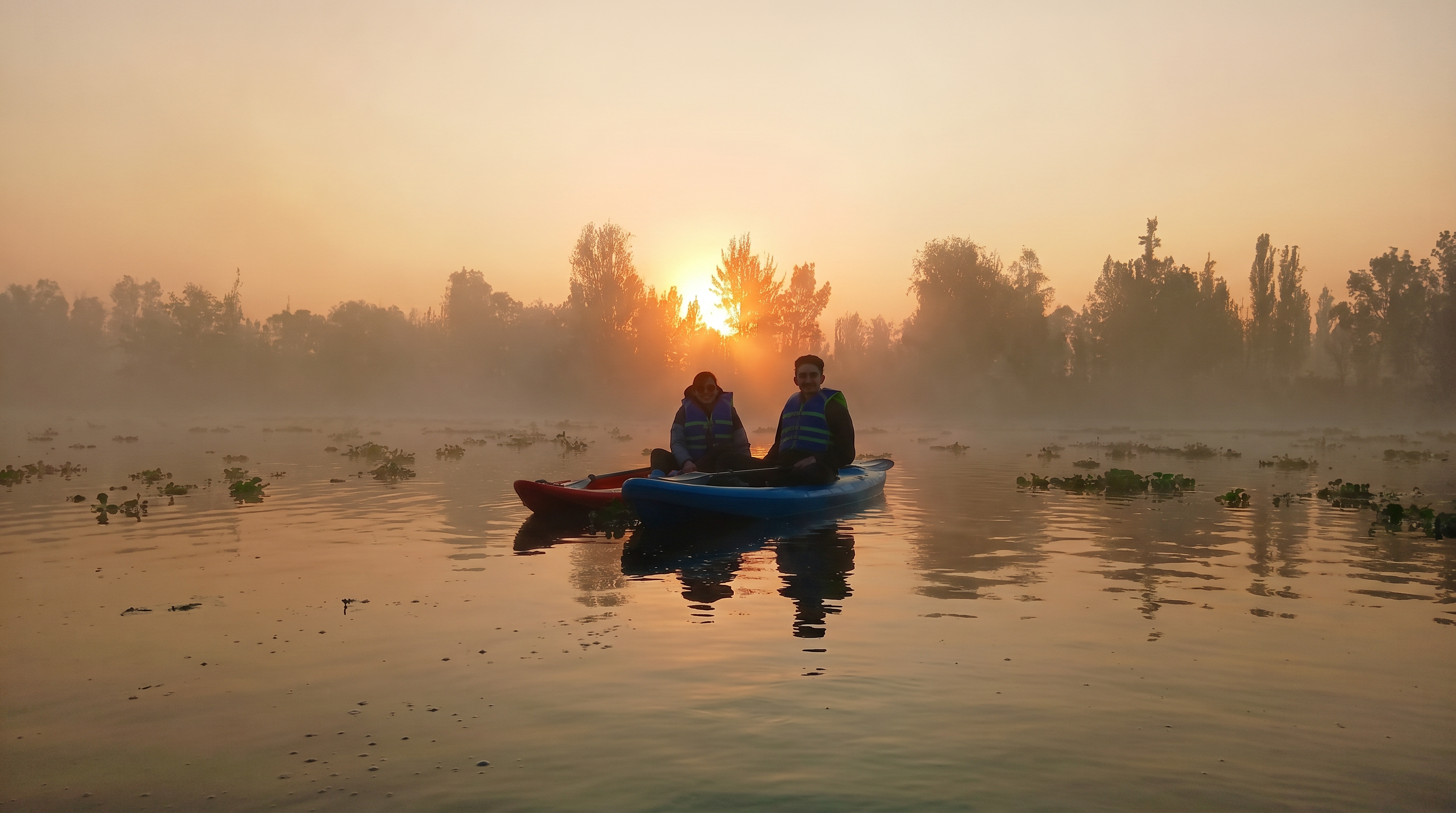
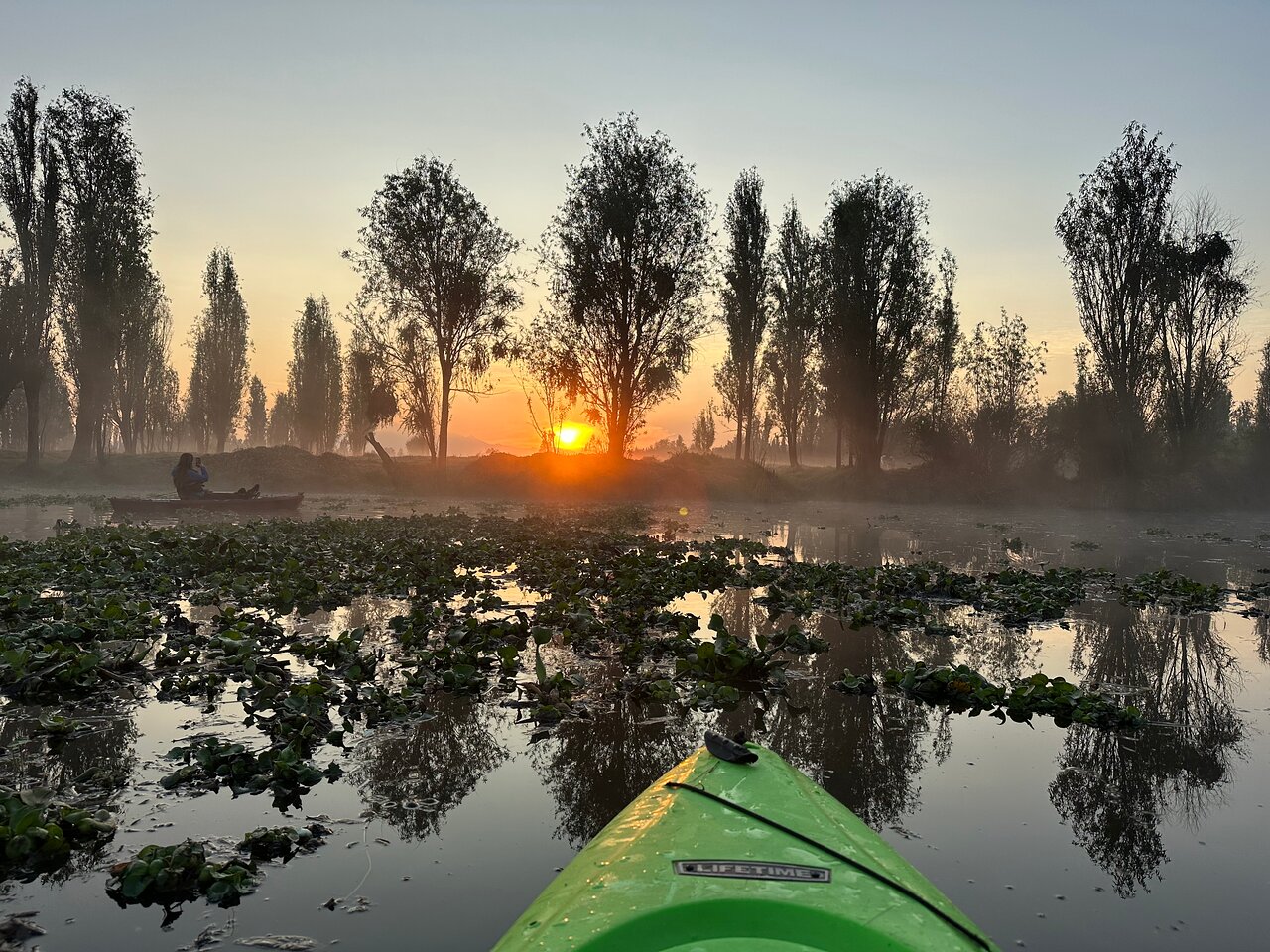
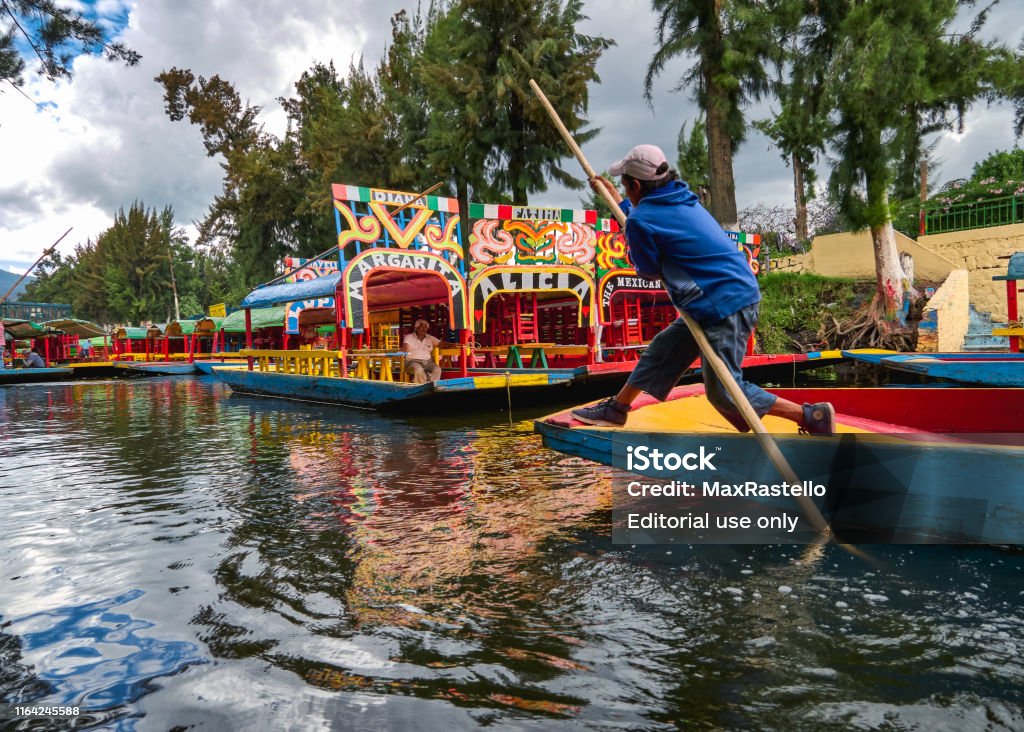
Cold mist on still water, painted hulls waking with the light.
Compare fares, pick the fit — all bookings are mobile-voucher and eligible for free cancellation where shown.
10 hr
2 hr 30 min
2 hr 30 min
Worth it for groups, pricey for solo travelers
The xochimilco sunrise tour charges 750 MXN per trajinera per hour, and that is the number that decides everything. That fee covers the whole boat, not each head, so a group of eight pays under 100 MXN each per hour while a couple absorbs the full 375 apiece. Fill the boat and this Mexico City canal tour becomes one of the cheapest scenic outings in the city. What you get for the money is real: soft light on the water, quiet channels of the ancient chinampas, and vendors gliding past before the midday party boats crowd in with speakers. This early xochimilco boat tour trades the raucous afternoon atmosphere for calm. Arriving between 08:00 and 09:30 buys that stillness. If you want cheap Xochimilco landmarks with a festive crowd, come later; if you value the tranquil version, the sunrise slot earns its cost.
Bottom line: Fill the boat and the xochimilco sunrise tour tickets are a clear bargain; split it between two and you are paying a premium for peace.
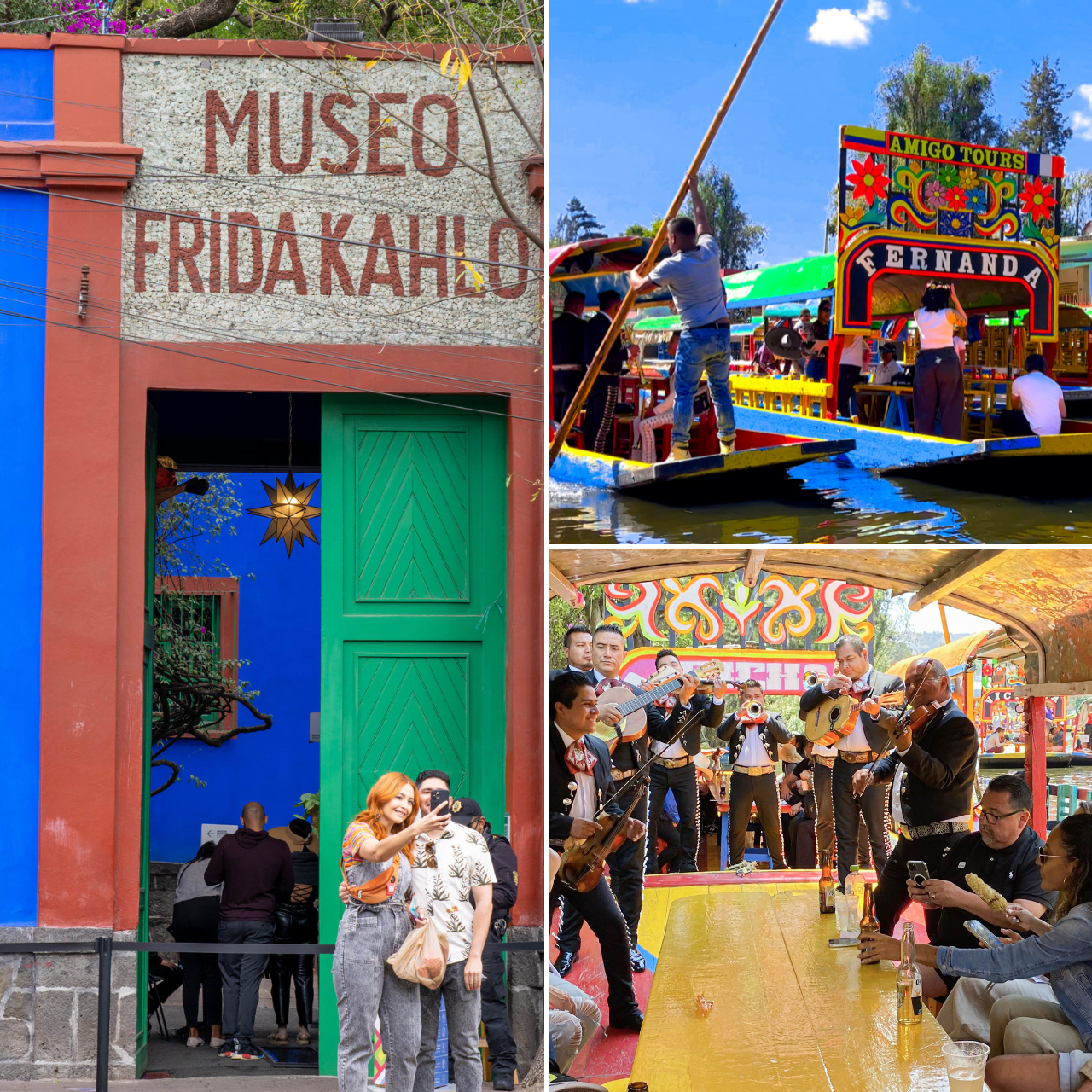
Both float the same canals, but they suit opposite moods: the xochimilco sunrise tour trades music for mist, while the midday party boat trades birdlife for mariachi and micheladas.
|
Top pick Sunrise Trajinera |
Midday Party Trajinera | |
|---|---|---|
| Atmosphere | Quiet, reflective, mist over the water | Festive, loud, mariachi-driven fiesta |
| Crowd levels | Low — few boats before 9:30am | High, especially weekend afternoons |
| Wildlife and mist visibility | Herons and mist visible at dawn | Mist burned off, wildlife scattered by noise |
| Typical departure time | 08:00–09:30 | 1:00pm–4:15pm |
| Noise and music | Minimal — birdsong, paddles | Live mariachi plus speaker playlists |
| Best for | Photographers, birdwatchers, couples | Groups, birthdays, bachelor parties |
| See tickets & prices |
Verdict: Choose the sunrise tour for calm scenery and wildlife, and the party trajinera for a loud, social afternoon with drinks and live music.
Hand-picked experiences loved by thousands of travelers
2.5 hours
Free Cancellation
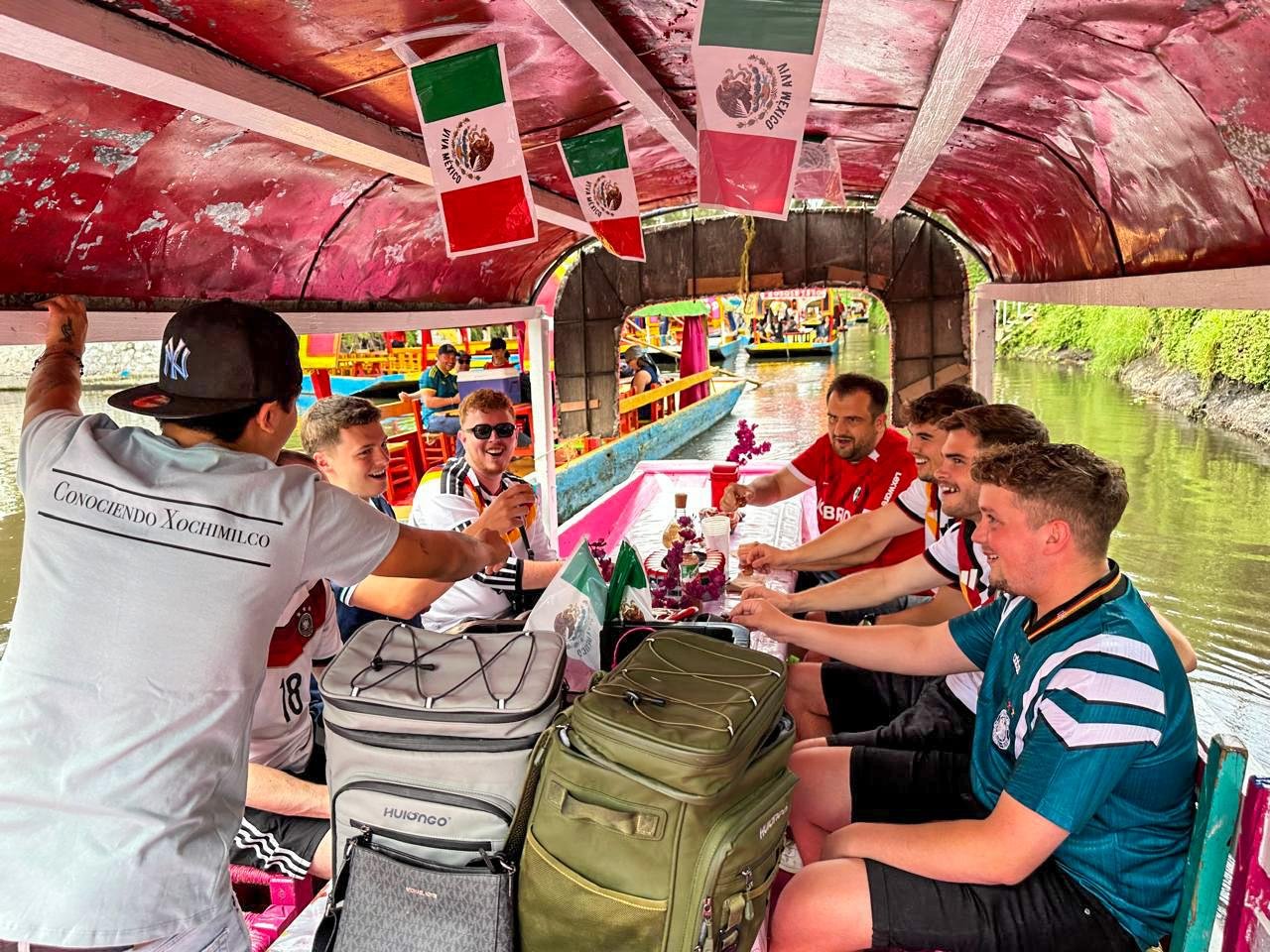
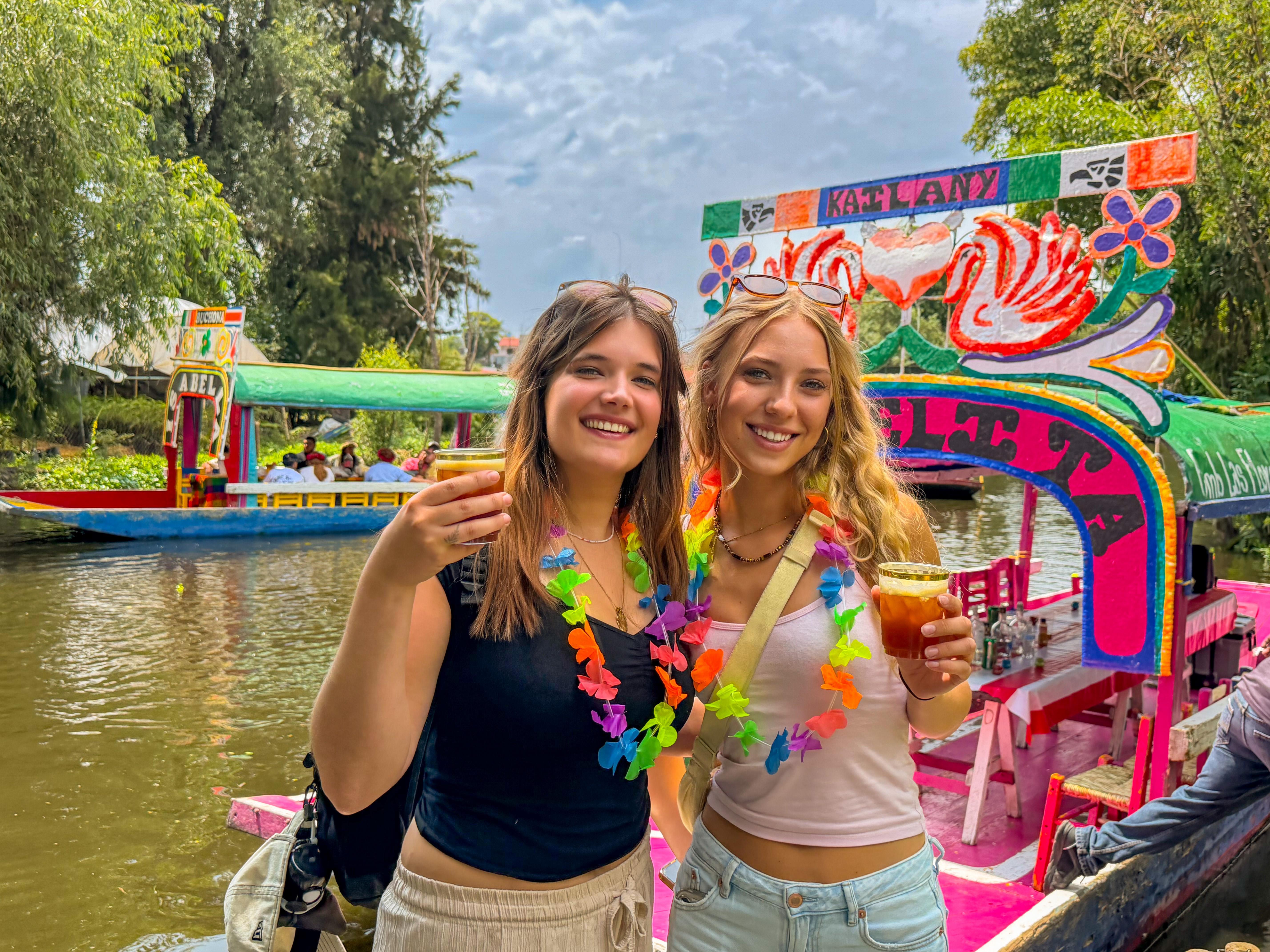
Cruise the ancient canals of Xochimilco on a festive trajinera with unlimited tequila, mezcal, and beer.
3 hours
Free Cancellation
Paddle into dawn on Xochimilco's hidden canals, reach the exclusive Castillo Blanco, and fuel up with breakfast.
Approximately 2 hours
Free Cancellation
Paddle through Xochimilco's historic canal network at dawn and discover the city's Aztec origins.
4.5 hours
Free Cancellation
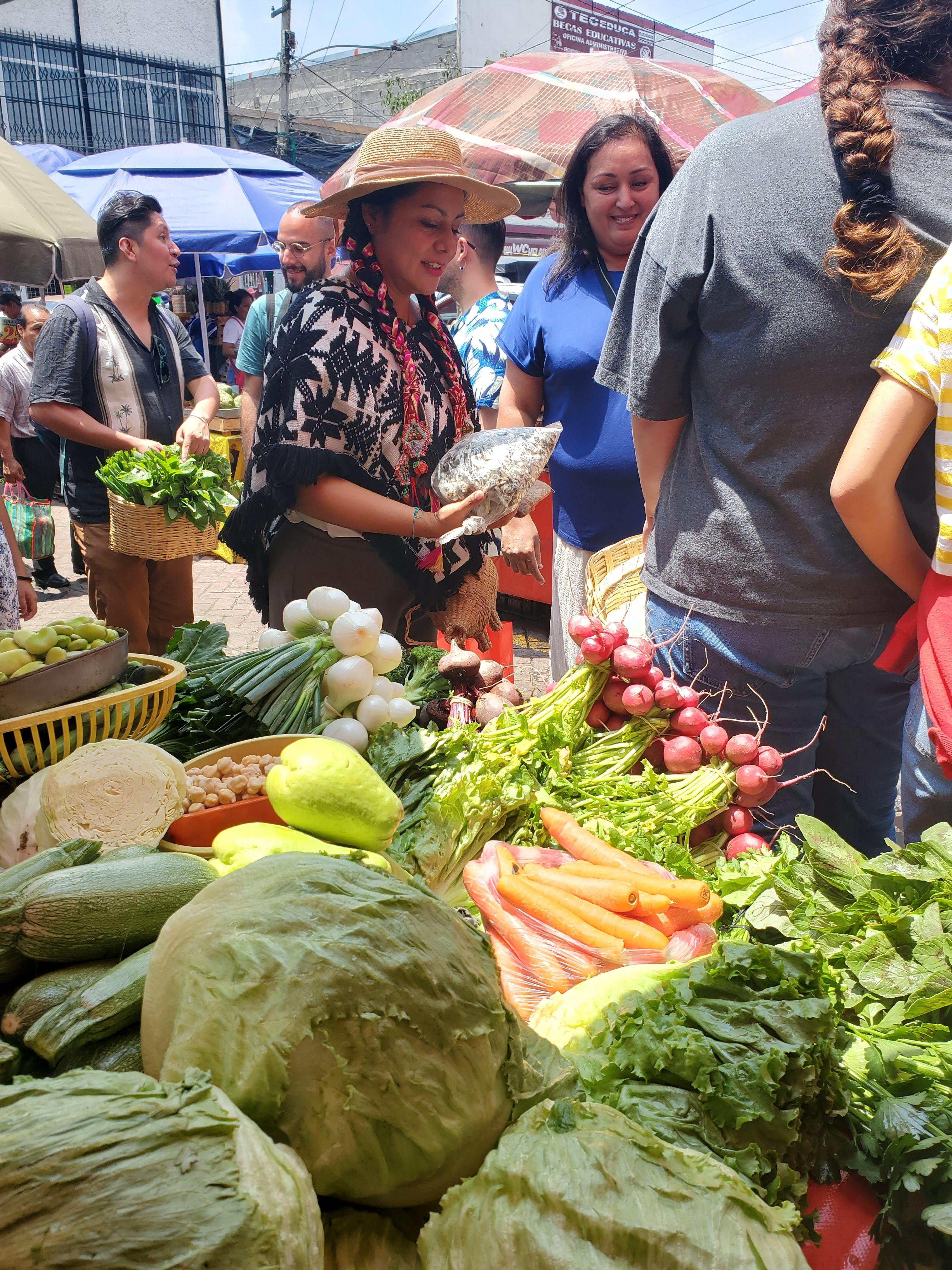
Shop a chinampa market, cook a pre-Hispanic tamal on a trajinera, and meet endangered axolotls.
3 hours
Free Cancellation
A serene, private trajinera journey through Xochimilco's ecological canals with a guided chinampa visit and traditional meal.
Reach Embarcadero Nativitas, agree the hourly rate with a trajinera operator, and board
Move along the principal canal past chinampas, herons, and passing vendor canoes
Optional stop at a small axolotl exhibit for an added per-person entry fee
Step off near the Mercado de Madreselva or the Nativitas crafts market for plants and food
Head back toward Nativitas as the boat's rented hour concludes
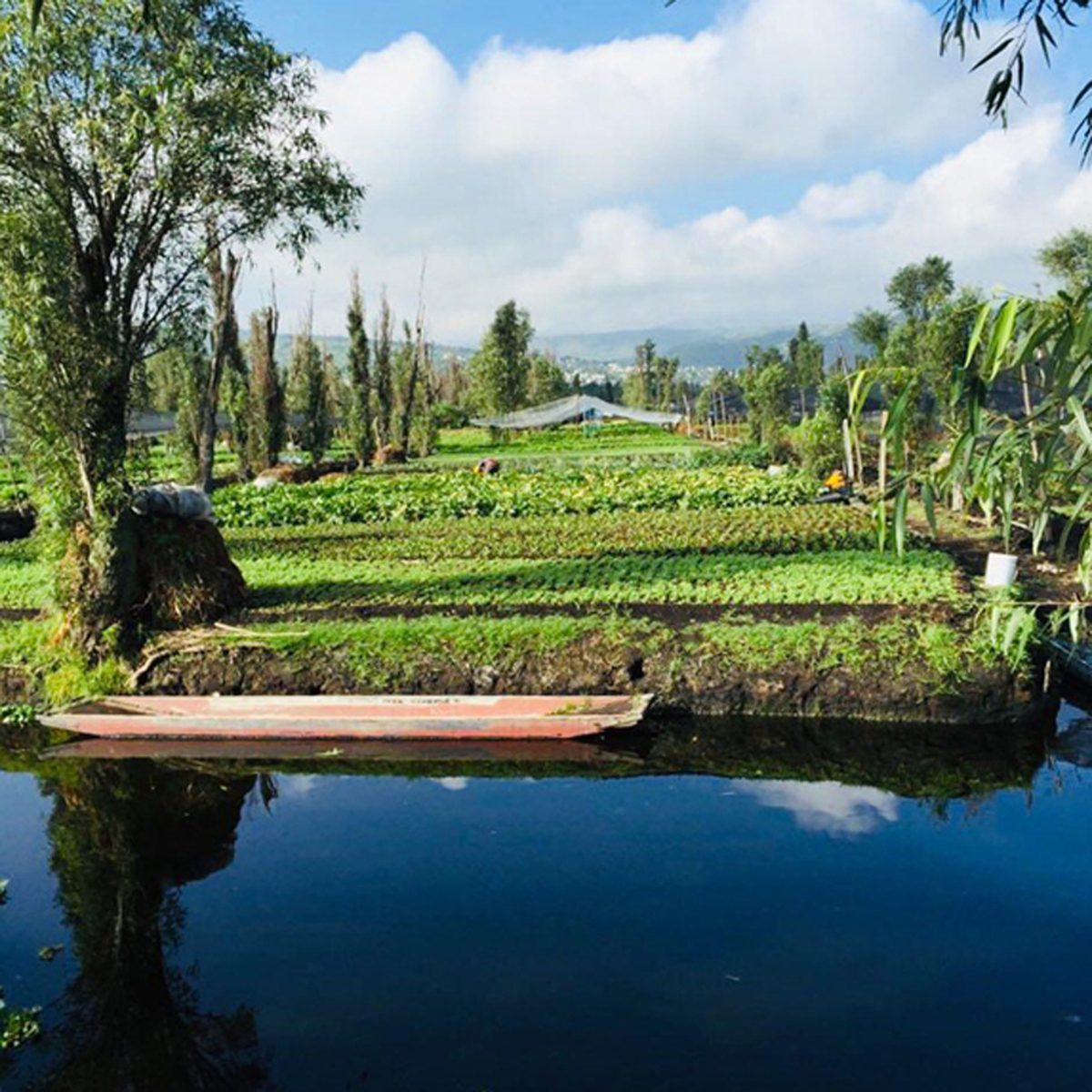
These narrow, cultivated strips of land built from layered mud and reeds date to the Aztec era and still grow flowers and vegetables today. Some chinampas measure only 6-10 meters wide, separated by the canals trajineras now travel.
A small canal-side stop dedicated to the axolotl, an endemic amphibian now considered critically endangered in the wild. Most sightings today come from protected breeding tanks rather than the open canal, since wild populations have dropped sharply.
An island roughly two hours by canal from Nativitas covered in weathered, hanging dolls, tied to local legend about a girl who drowned nearby decades ago. It sits well beyond the standard short loop and requires an extended trajinera charter to reach.
Described locally as the largest plant market in Mexico City, this market sits about 50 meters from the Nativitas dock and sells ornamental flowers grown on nearby chinampas. Vendors also offer prepared Mexican food to bring aboard a trajinera.
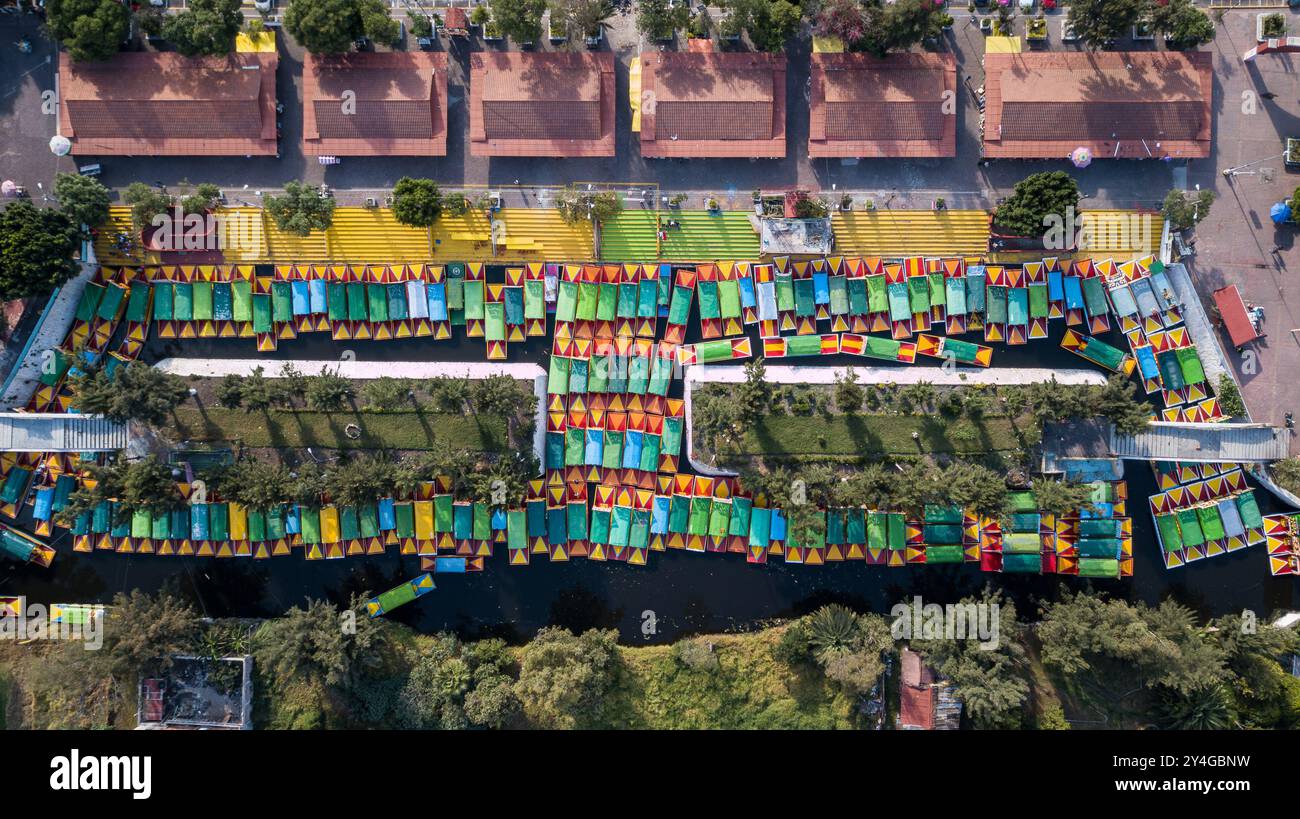
The principal waterway leaving the Nuevo Nativitas dock, lined with colorful trajineras and passing vendor canoes selling elote, micheladas, and mariachi performances by the song. Boats share this main channel before branching toward quieter side canals.
Visible from routes near the Zacapa pier, this mid-20th-century building by architect Félix Candela features a distinctive thin-shell concrete roof dating to the late 1950s. Its curved form stands out sharply against the flat chinampa landscape surrounding it.
You reach Embarcadero Nativitas while the nurseries are still shuttered and the dock is nearly empty. A boatman waves you toward a trajinera named Guadalupe, its arch spelled in white letters, and you step over the gunwale onto worn planks. The pole dips, the hull swings out, and the concrete edge of the pier slides behind you. Within two turns the noise falls away. You pass floating gardens where a farmer stands waist-high in chard, and you watch a heron lift from a willow and fold back down twenty metres on. You lean over the side and the water is dark and unbroken, mirroring the painted rails. Somewhere ahead a solitary vendor poles a smaller boat stacked with coffee and tamales; you flag her, and steam rises from the cup you cradle against the cold. You drift past the ahuejote willows, their roots binding the chinampa banks exactly as they have for six centuries. The boatman names the birds without being asked. Near the far channels you glimpse a research station where axolotls are bred, and you understand why this xochimilco sunrise tour keeps to the quiet hour. By the time the first tour boats stir behind you, you are already turning back, the light now gold on the flowers overhead.
All the details about your upcoming adventure in one place
The xochimilco sunrise tour carries you along the ancient canals aboard a hand-painted trajinera as first light spreads over the chinampas, the floating gardens that have fed this valley since Aztec times. Guides point out resident axolotls, herons, and the reflections of Nahuatl heritage that make these xochimilco sunrise tour tours a quiet contrast to the busier daytime rides. Early departures mean calmer water and softer light across this UNESCO-listed corner of Mexico City.
The canals of Xochimilco are the last navigable fragment of a lake system that once covered the entire floor of the Valley of Mexico. When the Mexica arrived in the fourteenth century, they anchored wickerwork rafts to the lakebed, piled them with mud and decaying vegetation, and rooted willows along the edges until the platforms held fast. These were the chinampas — rectangular garden islands whose fertile beds still produce lettuce, spinach, and marigolds today. UNESCO inscribed the zone on its World Heritage list in 1987, recognising both the hydraulic ingenuity of the pre-Hispanic engineers and the fragility of what remains. A xochimilco sunrise tour begins in that inherited silence, before the recorded music and the beer coolers arrive. The word Xochimilco comes from Nahuatl and means, roughly, the place where flowers grow. That etymology is not decorative. The chinampa system fed Tenochtitlan, and the flat-bottomed boats that now carry visitors — the trajineras — descend directly from the produce barges that shuttled crops to the island capital. Each vessel is painted in flat primary colours and topped with an arch bearing a woman's name spelled out in cut flowers or lettering: Lupita, Carmen, Rosita. What survives here matters because so little else does. The Valley of Mexico held five interconnected lakes at the time of the conquest; Spanish drainage projects, begun to control flooding, emptied nearly all of them over three centuries. The remaining thirty-odd kilometres of Xochimilco canals are a working ecosystem, not a reconstruction. The endemic axolotl, the neotenic salamander that never leaves its larval form, clings to survival in these waters and few others. Morning is when herons stalk the shallows and the ahuejote willows throw long reflections, and a xochimilco sunrise tour tour reaches parts of the network the afternoon traffic never touches. The embarcaderos — the boarding wharves — are the threshold between city and water. Nativitas is among the larger of the nine official piers, its dockside lined with nurseries selling bougainvillea and potted herbs. Beyond the first bend the concrete falls away and the channels narrow into green corridors, past floating gardens where farmers still pole out at dawn to tend their rows. Several operators now run early paseos en trajinera al amanecer specifically to catch this quiet hour, and the demand for xochimilco sunrise tour tickets has grown as travellers seek the canals emptied of their weekend crowds. Among Mexico City landmarks, few reward an early alarm so plainly. The light is soft, the water is glass, and the oldest agricultural landscape in the Americas belongs, for an hour, almost entirely to those who came to see it.
The remaining thirty-odd kilometres of Xochimilco canals are a working ecosystem, not a reconstruction.
Wear light, breathable layers and closed-toe shoes with grip, since trajinera decks can be damp near the waterline. Mornings on the canal are cool, so a light jacket helps before the sun climbs over the chinampas after 09:00.
There is no bag scanning or metal detection at Embarcadero Nativitas; boats are boarded directly from the wooden dock after the boat rental fee is paid. Keep bags zipped and off the deck edge, since trajineras can rock when vendor canoes pull alongside.
Personal photography and video from the trajinera are unrestricted and free, including drone-free handheld shots of the canals and chinampas. Tripods are impractical on the narrow benches, so a strap or wrist tether is more useful than a stand.
Children of all ages are welcome aboard a shared trajinera, and boats seat up to 18–20 people so a family group can rent one outright. Life jackets are not standard issue, so parents should ask the boat operator for one if traveling with small children.
Docks at Embarcadero Nativitas have some uneven wooden planking and a step down into the trajinera, so wheelchair users should request the widest boat and staff assistance in advance. There are no ramps directly into the boats themselves.
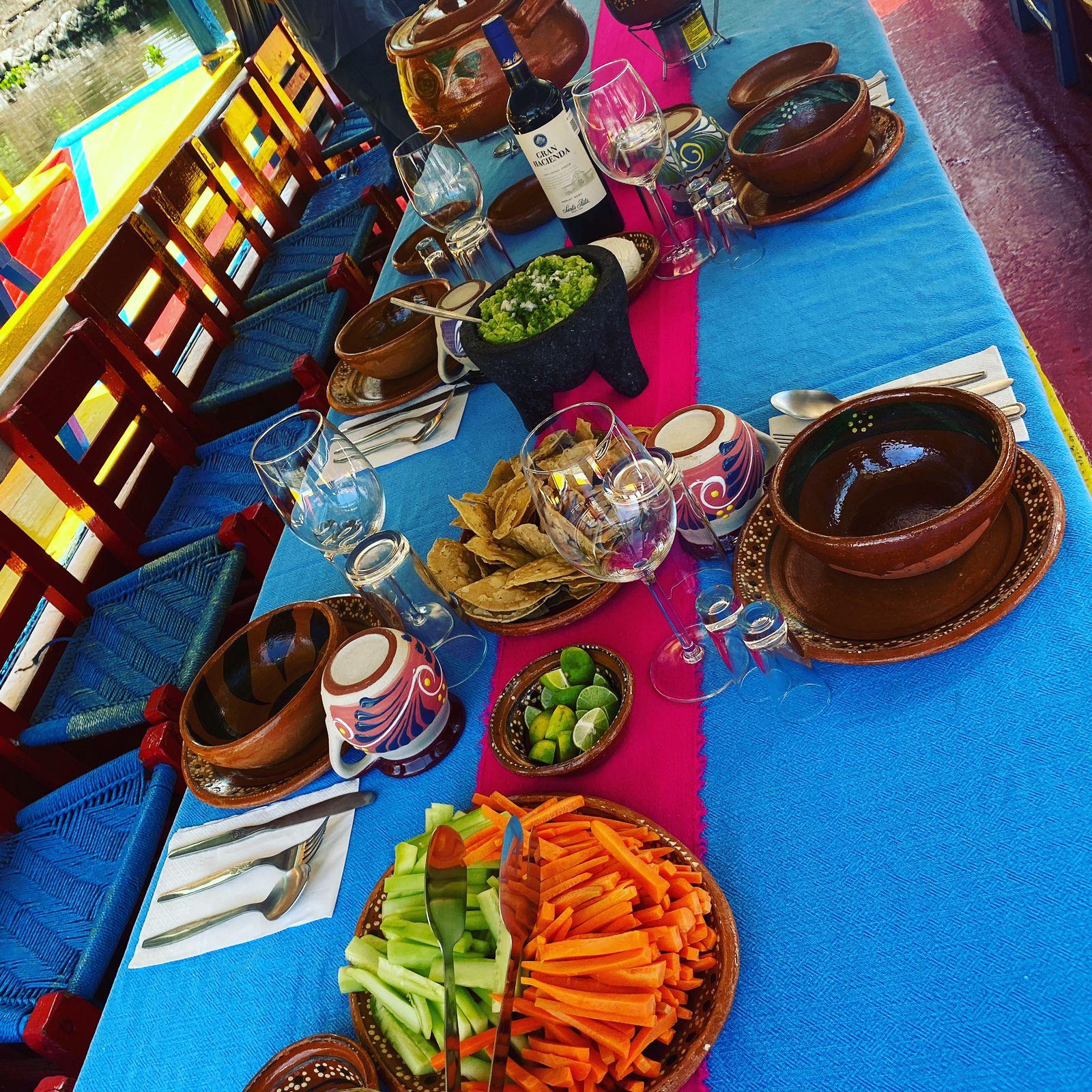
Outside food and drink, including alcohol, may be brought onto the trajinera, and floating vendor canoes sell quesadillas, elote, and micheladas directly alongside the boat during the ride. Glass containers are discouraged near the canal edge given the risk of breakage on the wooden deck.
Quiet before 09:30
Quietest weekday
Buses arrive by midday
Busiest day, mariachi boats out
Families and local groups peak
Hours
Daily 08:00–18:00, every day of the week
Public transport · 60-75 min from central Mexico City · Metro and Tren Ligero fares under 20 MXN total
Take Metro Line 2 to Tasqueña, transfer to the Tren Ligero light rail to the last stop, Xochimilco, then walk or take a local bus toward Galeana near the embarcadero.
Car · 30-45 min from Mexico City center · Parking around 30 MXN per day
Drive south via Avenida Tlalpan or the Anillo Periférico toward Xochimilco; on-site parking at Nuevo Nativitas has around 350 spaces.
Taxi/Rideshare · 30-50 min depending on traffic · Fare varies with distance and traffic
Uber or a registered taxi can drop passengers directly at the Embarcadero Nativitas entrance, avoiding transfers.
Bike · 60-90 min from Coyoacán · Free aside from bike rental if needed
Cycle via Ciclovía routes toward Xochimilco from nearby boroughs like Coyoacán, though the final stretch mixes with local traffic.
Cancellations made at least 24 hours before the scheduled trajinera departure receive a full refund of the 750 MXN per-hour boat rental; later cancellations or no-shows forfeit the deposit for that time slot.
Recommended time
2-3 hours
Two to three hours on the water is the realistic window for a xochimilco sunrise tour: enough time for the trajinera to clear the main dock, drift past the chinampas, and stop at a quieter island before the canal fills up. Arrive right at the 08:00 open and you'll glide out with almost no queue; arrive after 10:00 and you'll wait behind tour buses lining up for boats. Add thirty minutes if you want a mariachi stop or food vendor visit, since those boats pull alongside yours mid-route rather than on a fixed schedule. Subtract time only if you're doing a quick one-hour loop, which skips the calmer outer canals entirely.
Crowd levels through the day
Weather · crowds · average price — dots go green to amber to red as each metric rises.
Warm days around 22-24°C with afternoon rain common, so mornings stay driest for a xochimilco sunrise tour. Rainy-season afternoons can bring sudden showers on open trajineras.
Mild temperatures near 18-20°C and clearer skies make this a comfortable stretch for canal visits. Día de los Muertos in early November brings extra decoration and crowds to the piers.
Cool mornings near 8-10°C warm to the high teens by midday, with the driest, clearest weather of the year. Holiday weeks in late December draw heavier weekend traffic to Nativitas.
Dry, warm weather with daytime highs around 25-28°C makes this the busiest season for tour groups. Semana Santa in particular brings dense crowds to Embarcadero Nativitas.
Confirm the 750 MXN per-hour boat rate with the operator before stepping onto the trajinera, since it covers the whole boat rather than each passenger.
Embarcadero Nativitas, Xochimilco, Ciudad de Mexico, Mexico
Main boarding dock behind the colorful Xochimilco letters
Get directionsThe canals that frame every xochimilco sunrise tour predate the Spanish by two centuries. Around 1350, Nahua settlers engineered chinampas: rectangular garden plots staked into the shallow lakebed of Lake Xochimilco. Workers wove wicker fences, packed them with mud and decaying vegetation, and anchored the beds with ahuejote willows. The willows still line the water today. These floating farms fed Tenochtitlan, the Mexica capital founded in 1325 on nearby Lake Texcoco. By the fifteenth century, chinampa yields supported roughly 180,000 city residents through several harvests a year. The conquest broke this system. After Hernan Cortes besieged and captured Tenochtitlan in 1521, Spanish authorities reorganized the lake settlements and drained large sections of the basin. Colonial flood-control works, begun with the Huehuetoca drainage project in 1607, steadily lowered the water table. The chinampas of Xochimilco survived where others vanished, sustained by freshwater springs. A Mexico City landmarks tradition of pleasure boating grew here, and the flat-bottomed trajinera became the signature craft of any Xochimilco canal tour. The twentieth century nearly ended the wetland. Deep-well pumping to supply the capital drew down the springs after the 1950s, and by the 1980s the canals faced collapse. Recognition arrived in 1987, when UNESCO inscribed the Historic Centre of Mexico City and Xochimilco together as a World Heritage Site. Conservation followed: the Xochimilco Ecological Park opened in 1993, and a 2004 restoration program reintroduced treated water and native axolotls to the channels. Anyone booking xochimilco sunrise tour tickets now glides over roughly 170 kilometers of protected waterway, a fraction of the original lake but the largest surviving remnant. Controversy persists. Farmers and biologists dispute water quality, invasive tilapia threaten the endemic axolotl, and urban sprawl presses against the chinampa zone. Yet the morning ritual endures. A calm Xochimilco sunrise tour tour departing from Embarcadero Nativitas crosses the same reflective channels that fed an empire, past working chinampas where families still grow marigolds and vegetables. Among Mexico City landmarks, few preserve a living pre-Hispanic technology this directly. The best xochimilco sunrise tour tours reward early arrival, when the willow-lined water lies still and the six-hundred-year-old engineering beneath the surface feels close enough to touch.
Nahua settlers build the first chinampas in the shallows of Lake Xochimilco.
Cortes besieges Tenochtitlan and Spanish rule reorganizes the lake settlements.
The Huehuetoca drainage project begins lowering the basin's water table.
Deep-well pumping for the capital draws down the springs feeding the canals.
UNESCO inscribes Xochimilco and Mexico City's historic centre as a World Heritage Site.
The Xochimilco Ecological Park opens to protect the surviving wetland.
A restoration program reintroduces treated water and native axolotls to the channels.
A trajinera glides along at a gentle pace, so a xochimilco sunrise tour tends to suit young kids better than a crowded midday cruise, though the early departure takes some planning around nap and feeding schedules. Boats seat groups of roughly a dozen on facing benches, which keeps everyone together but means little room to wander once underway.
Boats and piers are stroller accessible, and staff will help lift a pram on and off the trajinera, but fold it flat once seated since deck space is tight with a shared group.
Infants must sit on a caregiver's lap rather than in a car seat, so toddlers and up who can sit steady on a bench get the most out of the ride; this works better as a xochimilco boat tour for families than a rowdier evening cruise.
A dozen or so people typically share one boat on facing wooden benches, so book early enough to reserve the whole boat for your family rather than joining strangers.
Break the ride into short segments mentally: 20 minutes of canal views, a snack stop, then people-watching other trajineras, since there is no getting off midway.
Canal air is noticeably cool and damp before the sun is fully up, so pack a light jacket or fleece layer per child even though the afternoon warms quickly.
Plan to leave lodging by 6:30-7:00am to reach the embarcadero for an 08:00 start, and let kids nap in the car or taxi if the wake-up is rough.
There's no need to pack a meal for the xochimilco sunrise tour: canoe vendors and dockside stalls handle food service, though everything runs on cash only, so budget a few hundred pesos in small bills before boarding at Embarcadero Nativitas.
Women paddle canoe-kitchens alongside your trajinera and cook to order — blue corn tlacoyos and quesadillas are the standouts. They pull up throughout the ride, so there's no need to plan ahead; just flag one down and confirm the price before it's made.
Grilled corn on the cob or corn kernels in cup form, sold from smaller paddle boats that circulate constantly. Quick, cash-only, and easy to eat one-handed while cruising the canals.
Dedicated drink canoes sell micheladas, beer, and pulque; busiest on weekend late mornings once the canals fill up. A sunrise-tour crowd will find these boats still setting up early, quieter and easier to flag down.
A cluster of small restaurants and food stalls sits right at the embarcadero, serving tacos, quesadillas, and full breakfast plates before or after the boat ride. Handy for a sit-down meal if you'd rather not eat while afloat.
Real experiences from real travelers
We booked the xochimilco sunrise tour on a whim and left the dock around 6am with fog still sitting on the water. The trajinera glided past chinampa plots where farmers were already loading crates of vegetables, and our boatman pointed out ahuejote willows and a few herons. It felt like a completely different Xochimilco from the party scene you see in photos.
Growing up in CDMX I never saw the canals this quiet. The early trajinera de Xochimilco al amanecer meant we shared the water with just birds and a couple of farmers, and the light on the painted boats was worth the early alarm. Bring a jacket, the pre-dawn air off the water is cold.
The Xochimilco floating gardens tour started before the crowds, so the only sounds were the pole dipping into the water and distant roosters. Our guide explained the chinampa farming system and even flagged an axolotl conservation dock along the canal. Coffee and pan dulce on the boat made the chilly start easy.
The canals at dawn were serene and the amanecer en Xochimilco lighting was gorgeous for photos of the trajineras. My only note is that our hotel pickup ran fifteen minutes late, which felt long in the dark. Once on the water though, everything ran smoothly and our boatman was patient with all the photo stops.
I did not expect the canals to feel this calm; the xochimilco sunrise tour drifted past chinampas with marigolds and lettuce rows glowing in the low sun. We saw egrets lifting off the water and the reflections of the colorful boats were mirror-perfect. A quiet, unhurried morning that balanced the busier CDMX landmarks on our trip.
Booking the Xochimilco boat tour tickets for the earliest slot was the best decision of our week in Mexico City. The trajinera moved slowly through the mist while our guide talked about the ahuejotes and the history of the canals without rushing us. By the time other boats appeared we were already heading back for breakfast.
We were on the canal by sunrise and the whole scene was gold and green, with steam coming off the water and a farmer poling his own boat past us. The guide on our xochimilco sunrise tour knew the birds by name and pointed out where axolotls are protected. Practical tip: the restrooms at the embarcadero open early but bring your own tissue.
The xochimilco sunrise tours run before the mariachi boats wake up, so it is just you, the willows and the reflections. Our boatman handed out blankets and hot coffee as we drifted between the chinampas, and the light kept shifting from pink to amber. Loved seeing this UNESCO-listed corner of the city so still.
The Xochimilco canals at dawn were calm and the painted trajineras looked lovely against the mist. I underestimated how cold it gets on the open water before sunrise, so pack layers. The chinampa explanations and the heron sightings made up for my numb fingers.
One of the highlights of our whole trip was this early canal ride watching the sun come up over the chinampas. Reserving Xochimilco trajinera tickets for the sunrise slot meant almost no other boats and plenty of room for photos. The boatman even slowed near a conservation dock so we could learn about the axolotls.
Everything you need to know for your journey
Embarcadero Nativitas operates daily from 08:00 to 18:00, and boarding a xochimilco sunrise tour close to opening avoids the midday tour-bus crowds.
Wooden docks at Nativitas have uneven planking and a step down into the boat, so wheelchair users should request assistance and the widest available trajinera in advance.
There is no formal bag check at the dock; passengers walk directly onto the trajinera after paying the boat operator, so keep valuables zipped and off the open deck edge.
Photography and video from the boat are unrestricted and free, making the canal light between 08:00 and 09:30 especially good for a xochimilco sunrise tour.
Weekday mornings, especially Tuesday through Thursday right after the 08:00 opening, are the quietest window before school groups and weekend crowds fill the canal.
Light, breathable clothing with closed-toe shoes works best, plus a light jacket for the cool early hours before the sun warms the chinampas.
Yes, outside food and drink are permitted, and floating vendor canoes also sell snacks and drinks directly to passengers during the ride.
Take Metro Line 2 to Tasqueña, transfer to the Tren Ligero to the Xochimilco terminus, then a short bus or walk reaches the embarcadero.
Yes, a xochimilco sunrise tour works well for families since trajineras seat up to 18-20 people and children ride at no extra charge on the shared boat rate.
Cancellations made at least 24 hours ahead receive a full refund of the 750 MXN hourly boat fee; late cancellations forfeit the deposit.
The Mercado de Madreselva plant market, Museo Dolores Olmedo, and Xochimilco's historic center square all sit within a short drive of the embarcadero and pair well with the canal ride.
The trajinera itself rents for 750 MXN per boat per hour, not per passenger, so splitting it among a group lowers the per-person cost.
A large plant and flower market near the embarcadero selling ornamental plants grown on local chinampas. It doubles as a food stop for tacos and regional snacks before or after a canal ride.
The colonial-era plaza and San Bernardino de Siena parish anchor Xochimilco's older town center. Market stalls and traditional cantinas surround the square on weekends.
A former hacienda turned museum holding works by Diego Rivera and Frida Kahlo alongside peacocks roaming its gardens. It sits on the edge of the Xochimilco canal network.
A remote island covered in weathered dolls, tied to local legend about a girl who drowned nearby. It's reachable only by an extended trajinera ride from Nativitas, not the standard short loop.
Small guesthouses and family-run inns cluster near the historic center, convenient for an early trajinera departure.
Join thousands of happy travelers who have discovered this incredible experience
Book Your Experience Now