
English| EUR
Suggested for you
More currencies
Book Now
Open today · 09:00 – 18:00

Xochimilco Axolotl

Xochimilco Axolotl — Trajinera Boat Rides & Sanctuary Tours

Ancient canals hold their quiet water, the salamander drifts below

48K+ travelers chose this
Free Cancellation
Right now: Moderate — summer weekend traffic Arrive before 11:00 for calmer canals and shorter waits for a trajinera
3-4 hours recommended
1 Languages
Up to 12 guests
Free Cancellation
Free cancellation Instant confirmation Mobile voucher Verified partner Book now, pay later
6,000/km²
1998 population
historic axolotl density before decline
35/km²
current population
axolotls per sq km today, per 2014 survey
1987
UNESCO listing
canal system part of World Heritage Site
750 MXN
boat rate
official trajinera hourly rate to sanctuary
09:00–18:00
daily hours
open every day of the week
Choose your ticket

Ticket options at a glance

Compare fares, pick the fit — all bookings are mobile-voucher and eligible for free cancellation where shown.

Xochimilco Floating Canal Party with Unlimited Drinks & Food 2 hr 30 min
Standard Entry

Xochimilco Floating Canal Party with Unlimited Drinks & Food

5 (1711)
€51
  • Entry ticket
  • Mobile voucher
  • Valid same day
  • Free cancellation
Book this ticket
Xochimilco Axolotl Sanctuary Canoe Experience 2 hr
Standard Entry

Xochimilco Axolotl Sanctuary Canoe Experience

4.9 (99)
€68
  • Entry ticket
  • Mobile voucher
  • Valid same day
  • Free cancellation
Book this ticket

Is it worth it?

Worth it if you split the boat

The xochimilco axolotl experience runs on a 750 MXN per-hour trajinera rate, and that is the number to anchor on: it is per boat, not per person. A trajinera seats roughly 12 to 20, so a full boatload brings the cost to well under 60 MXN each per hour for a canal cruise that doubles as your gateway to the sanctuary. Solo or as a pair, the math flips and feels steep. Where the value lands is with families and photographers who fill the boat and want unhurried time near the ajolote pens, the chinampas, and the migratory-bird channels. Conservation-minded visitors get the added weight of directly funding the last wild habitat of this endangered amphibian. Book a two-hour block so the axolotl tour is a genuine visit, not a rushed drift past the embarcadero.

What makes it worth it

  • 750 MXN is per boat, not per head
  • Fills cheaply across a full trajinera
  • Direct access to endangered ajolote pens
  • Funds real wetland conservation work
  • Two-hour block gives unhurried photography time

Keep in mind

  • Steep for solo travelers or couples
  • Extra costs for food and music aboard
  • Midday buses crowd the canals
  • Sanctuary time is short on one-hour tours

Bottom line: Fill the boat and the xochimilco axolotl tours are a bargain; go solo and you will feel the per-hour rate.

Head to head

Xochimilco Axolotl Tours: Nativitas vs Cuemanco Embarcadero

Most visitors comparing embarcaderos for a xochimilco axolotl outing pick Nativitas for its easy, well-marked party-boat scene, while quieter travelers head to Cuemanco for the chinampa-heavy ecological route.

Top pick
Embarcadero Nativitas
Embarcadero Cuemanco
Typical atmosphere Calmer, nature-focused, fewer vendors
Distance from central CDMX Farther south, near Periférico Sur
Boat rental rate structure 500-600 MXN per hour, whole trajinera
Axolotl/ecological tour access Direct route to chinampa and reserve zone
Crowd levels by day Lighter overall, best on weekday mornings
Best fit for Travelers wanting nature and quiet canals

Verdict: Nativitas suits visitors who want the classic, easy-to-find trajinera experience with direct sanctuary access, while Cuemanco rewards those willing to travel a bit farther for a quieter, chinampa-centered ride.

Featured Experiences

Popular tours & activities

Hand-picked experiences loved by thousands of travelers

Recommended Experience

Powered by GetYourGuide

Another traveler favorite

Powered by GetYourGuide
Xochimilco Market, Canal & Cooking Adventure 4.5 hours Free Cancellation

Xochimilco Market, Canal & Cooking Adventure

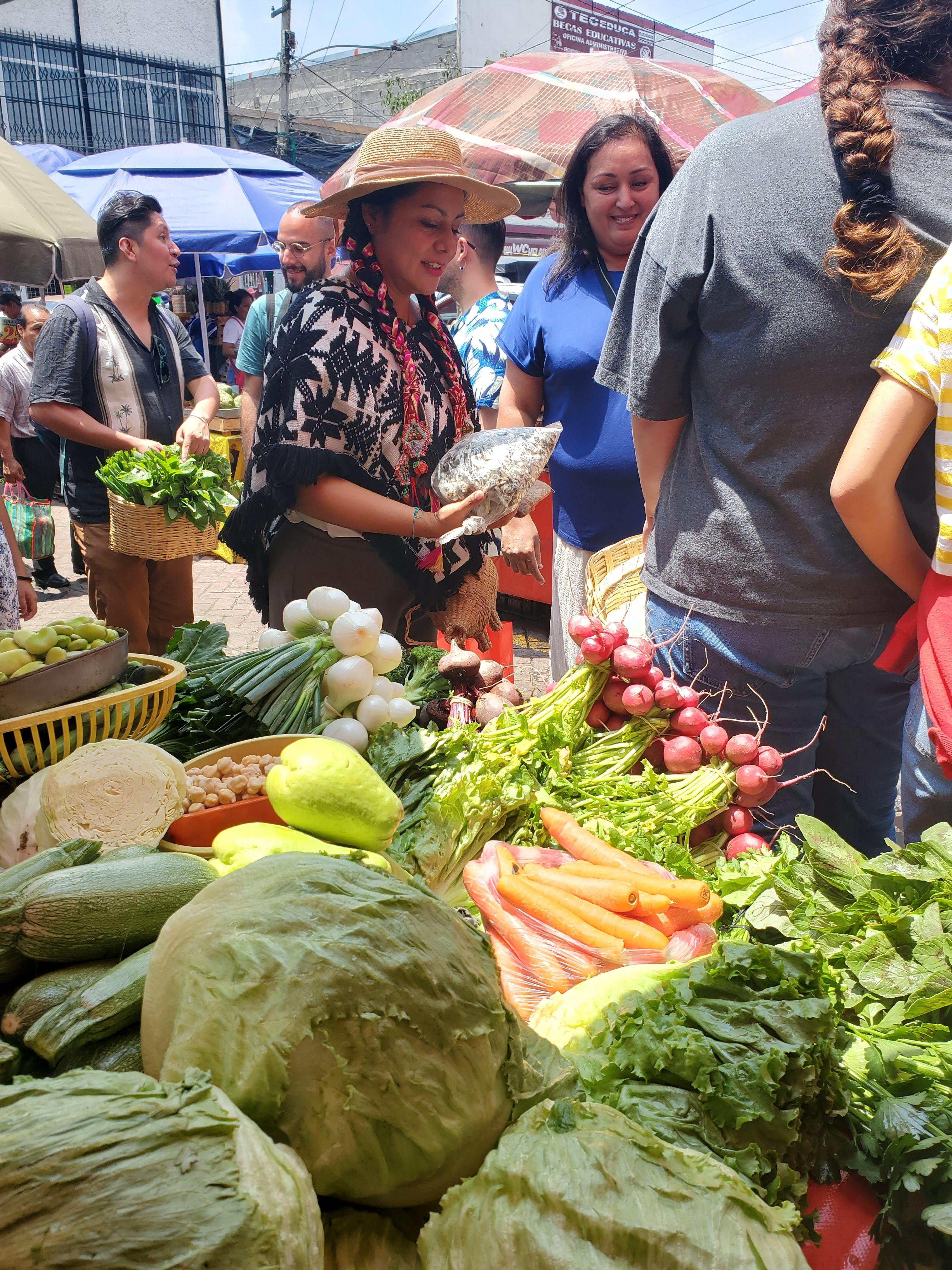
Shop chinampa-fresh markets, cook a prehispanic tamal aboard a trajinera, and meet endangered axolotls.

4.9 (148)
FromFrom €94.07
See details
Xochimilco Floating Fiesta: Unlimited Tequila, Mezcal & Canal Party 2.5 hours Free Cancellation

Xochimilco Floating Fiesta: Unlimited Tequila, Mezcal & Canal Party

Cruise Xochimilco's legendary canals on a trajinera with unlimited tequila, mezcal, beer, and non-stop fun.

5 (378)
FromFrom €38.26
See details
Xochimilco Canal Boat Tour: Culture, Drinks & Traditions 2 – 2.5 hours Free Cancellation

Xochimilco Canal Boat Tour: Culture, Drinks & Traditions

Cruise ancient canals on a festive trajinera — tequila, pulque, mezcal, and Mexican culture included.

4.9 (641)
FromFrom €31.84
See details
Xochimilco Ecological Canal & Axolotl Sanctuary Boat Tour 2–3 hours (choice of route at booking) Free Cancellation

Xochimilco Ecological Canal & Axolotl Sanctuary Boat Tour

Glide through tranquil chinampas canals, meet endangered axolotls, and taste authentic Mexican snacks — no crowds, no noise.

5 (36)
FromFrom €280.97
See details
Xochimilco Trajinera Cruise with Guacamole & Open Bar 2.5 hours Free Cancellation

Xochimilco Trajinera Cruise with Guacamole & Open Bar

Float Mexico City's ancient canals on a vibrant boat with unlimited drinks, fresh guacamole, and pure festive energy.

4.9 (59)
FromFrom €55.93
See details
Your journey

Step-by-step — what your day looks like

1

Arrive at the pier

Reach Embarcadero Nativitas by taxi, rideshare, or public transit and locate the boat rental booth near the entrance.

What you'll see

Highlights not to miss

Ajolotario Chinampa Stop

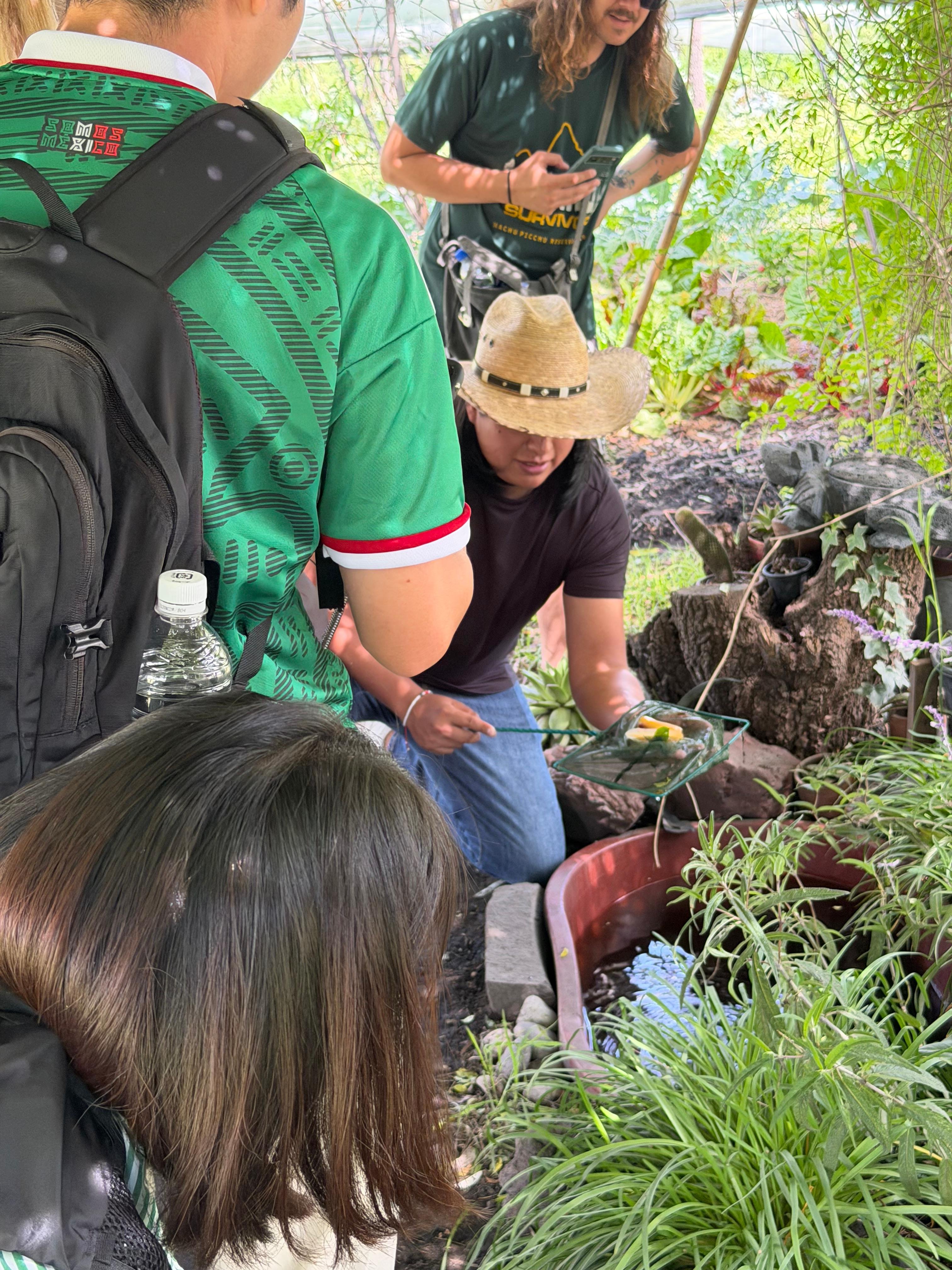
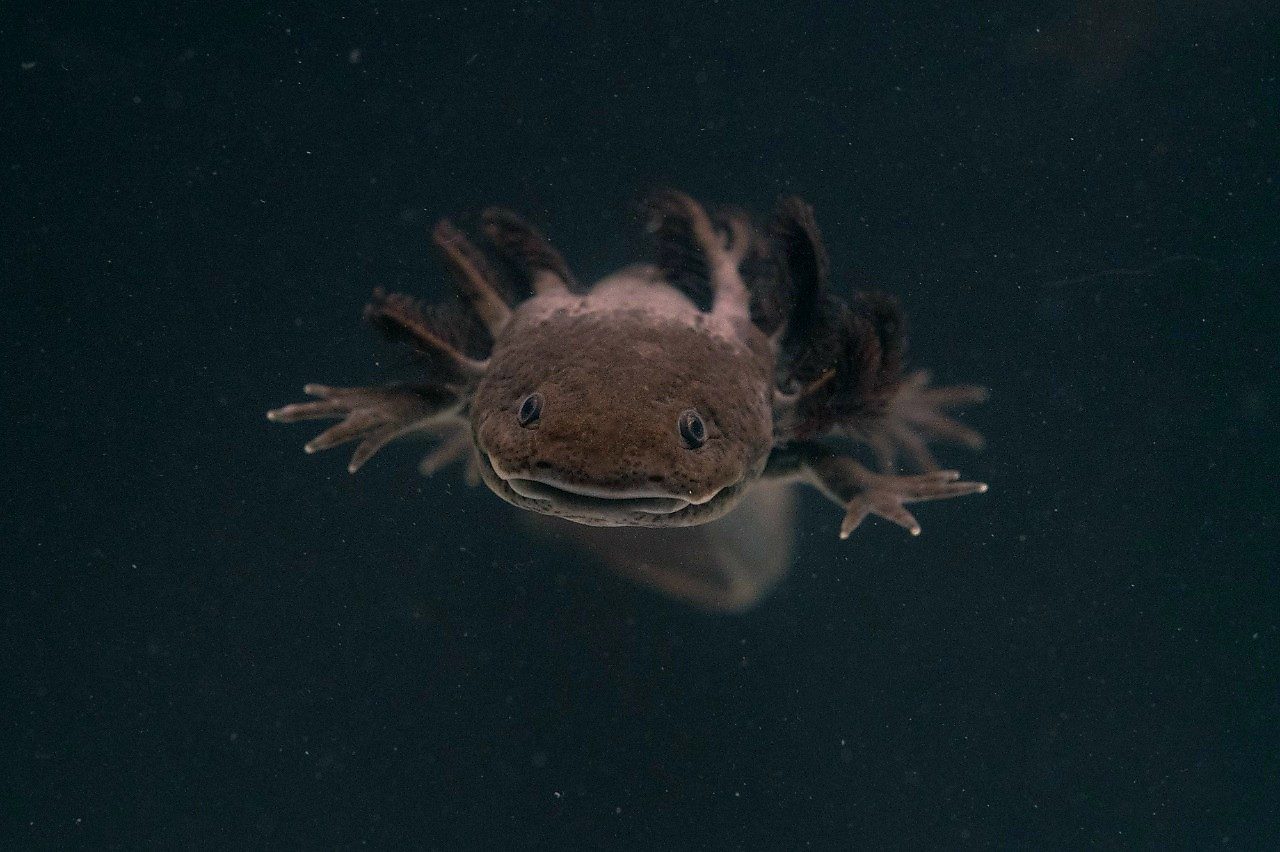
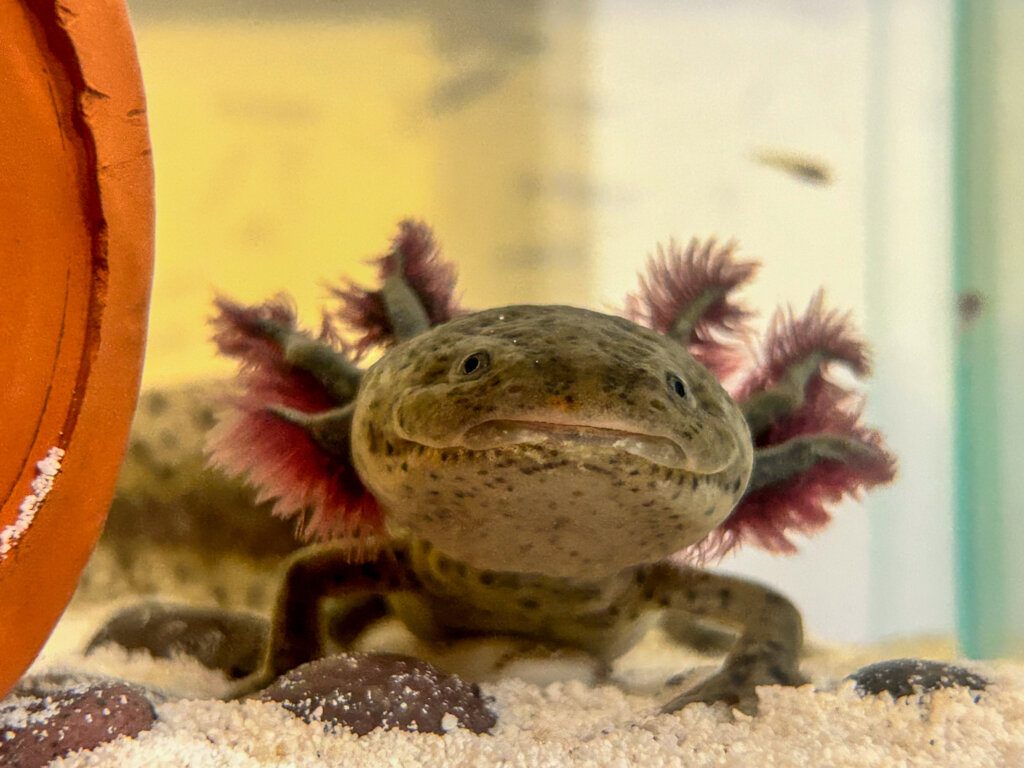
A working chinampa converted into a small axolotl conservation station where visitors view tanks holding specimens at different life stages. Guides describe the axolotl's ability to regenerate an entire limb within weeks, a trait that has made it a subject of biomedical research.

The experience

What the visit is really like

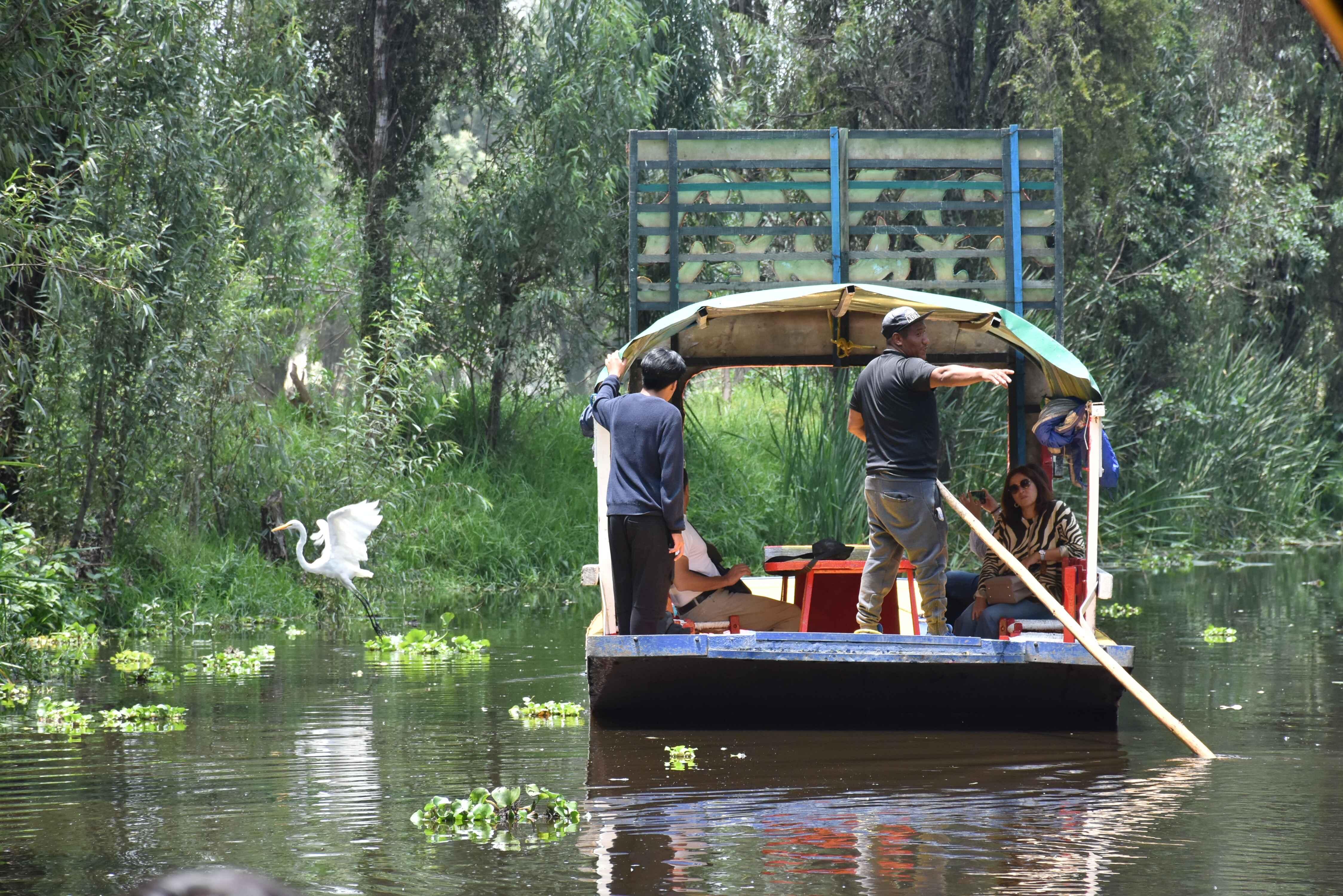
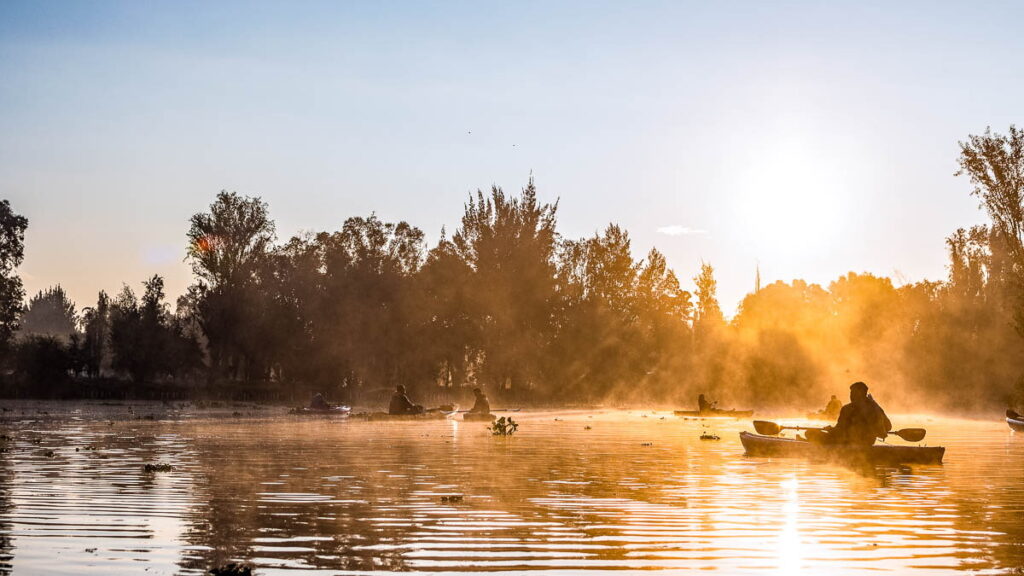
You reach Embarcadero Nativitas in the cool of the morning, when the light is still low over the water and the marimba players are only beginning to tune. You step down onto a trajinera — a flat wooden barge roofed in a painted arch — and settle onto a bench as the boatman leans into his long pole and pushes off. The channel narrows. Willows close in. Chinampas slide past on either side, green with lettuce and cempasúchil, and the city noise falls away behind you. An hour on the water carries you toward the ecological refuges, where you tie up alongside a covered tank. You lean over the rail and wait, and then you see it: a pale, frond-gilled ajolote hanging motionless in the filtered green, mouth curved into its permanent half-smile. A guide explains the water checks, the invasive fish, the slow work of keeping the species alive. On the return, you pass floating stalls poling up to sell esquites and cold agua de jamaica. You trail a hand in the cool canal, watch a heron lift from a lily bed, and let the pole's steady rhythm carry the xochimilco axolotl into memory before the midday boats crowd the channels.

Everything You Need to Know

Your complete experience guide

All the details about your upcoming adventure in one place

Discovering the Xochimilco Axolotl Canals

The xochimilco axolotl draws visitors into a living network of ancient chinampas, where colorful trajineras glide past floating gardens still farmed as they were centuries ago. Guided by local ajolote conservationists, these canal excursions pair biodiversity spotting with a look at the endemic salamander that gives the wetlands their fame. Booking xochimilco axolotl tours early secures a spot on the smaller, naturalist-led boats.

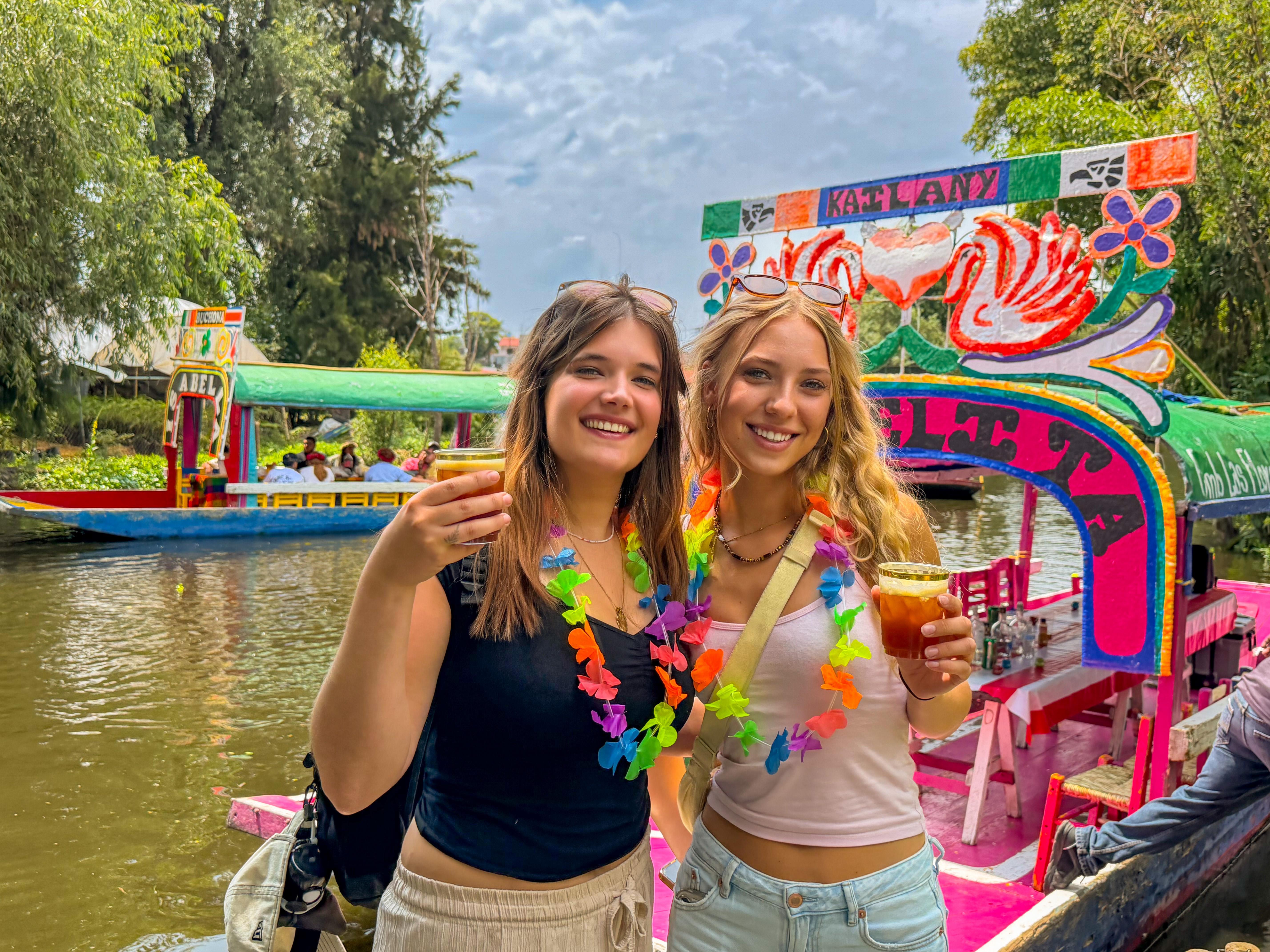
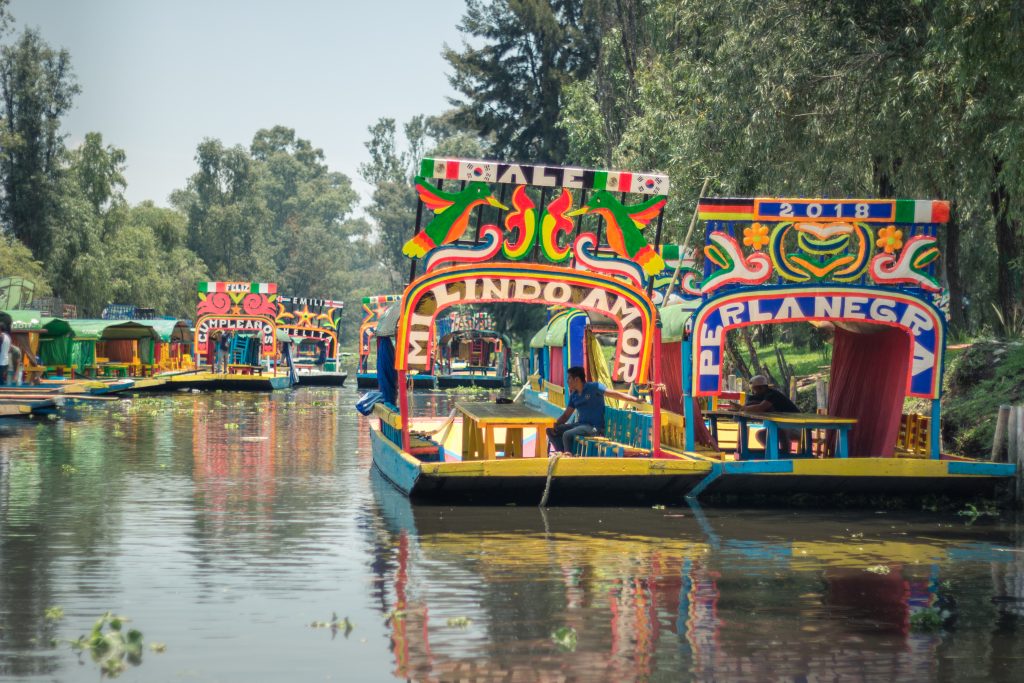
The axolotl never grows up. Alone among salamanders, it keeps its feathery external gills and aquatic body for life, breeding without ever leaving the water — a trait biologists call neoteny that has made it a fixture of laboratory tanks worldwide, prized for regenerating limbs, spinal tissue, and even parts of its heart. Its last wild home is here, in the chinampa canals of Xochimilco. These waterways are the surviving fragment of the vast lake system the Mexica drained and farmed six centuries ago, an engineering inheritance recognised as a UNESCO World Heritage Site in 1987. The chinampas — rectangular garden plots anchored by ahuejote willows — still float between the channels, worked by growers whose families have tended them for generations. To glide a xochimilco axolotl tour through this landscape is to move through a living remnant of Tenochtitlan's agricultural genius. The creature itself has long outgrown its pond. Named for Xólotl, the Aztec god of fire and lightning who, myth held, disguised himself as a salamander to escape sacrifice, the axolotl carries a whole cosmology in its slow blink. It appears on the fifty-peso banknote, in codices, in the tanks of geneticists from Cambridge to Tokyo. Yet the animal that anchors so much science and story has grown perilously scarce in the very silt that bears its name. That scarcity is what gives the modern sanctuary its weight. Community-run ecological refuges along the Nativitas channels now shelter breeding populations behind filtered nets, and the growers themselves have become guardians — checking water clarity, culling invasive carp and tilapia, explaining to each boatload of visitors why the pink-gilled ajolote de xochimilco matters. A well-run xochimilco axolotl tour threads these refuges into the older ritual of the trajinera, the flat, flower-arched barge poled through the canals to marimba and birdsong. Architecturally, there is nothing vertical to admire and everything horizontal to read: the geometry of the plots, the willow lines, the painted arches of the boats spelling out names in marigold and cobalt. The water is the monument. It is shallow, green, threaded with lilies, and it holds a species found nowhere else on Earth in the wild. To book xochimilco axolotl tickets, then, is to enter one of the city's Xochimilco landmarks at its most fragile and its most alive — a place where pre-Hispanic hydrology, Aztec myth, and cutting-edge biology share a single stretch of canal, and where the survival of a small smiling salamander depends, increasingly, on the people who come to see it.

The water is the monument — shallow, green, threaded with lilies, holding a species found nowhere else on Earth in the wild.

Dress code

Wear comfortable, casual clothing since boats sit low in the water and seating is on wooden benches without backs. A hat and sunscreen are useful because the canal stretch has little shade at midday. Closed-toe shoes help when stepping across the low dock at Embarcadero Nativitas.

Bags & security

There is no bag scanning or metal detection at the pier; boarding is informal and staff simply help passengers step onto the trajinera. Keep bags zipped and within reach, since boats can rock slightly when musicians or vendors climb aboard mid-canal. Leave large suitcases at your hotel — there's no storage at the embarcadero.

Photography

Photography and video are freely permitted on the trajineras and at the axolotl sanctuary stop, including drone-free handheld shots of the canals. Some independent ajolotario operators ask visitors not to use flash near the axolotl tanks to avoid stressing the animals. Tripods are impractical given the boat's limited deck space.

Families & strollers

Children of all ages are welcome aboard the trajineras, and life jackets can be requested from boat operators for younger passengers. The axolotl sanctuary stop is a calm, low-key add-on that suits shorter attention spans.

Accessibility

The Embarcadero Nativitas dock is flat and reachable by car or taxi, but the trajineras themselves have a step down from the pier and bench seating without armrests or backrests, which can be difficult for visitors with mobility limitations. There are no ramps or lifts onto the boats. Staff will generally assist with boarding on request.

Food & drink

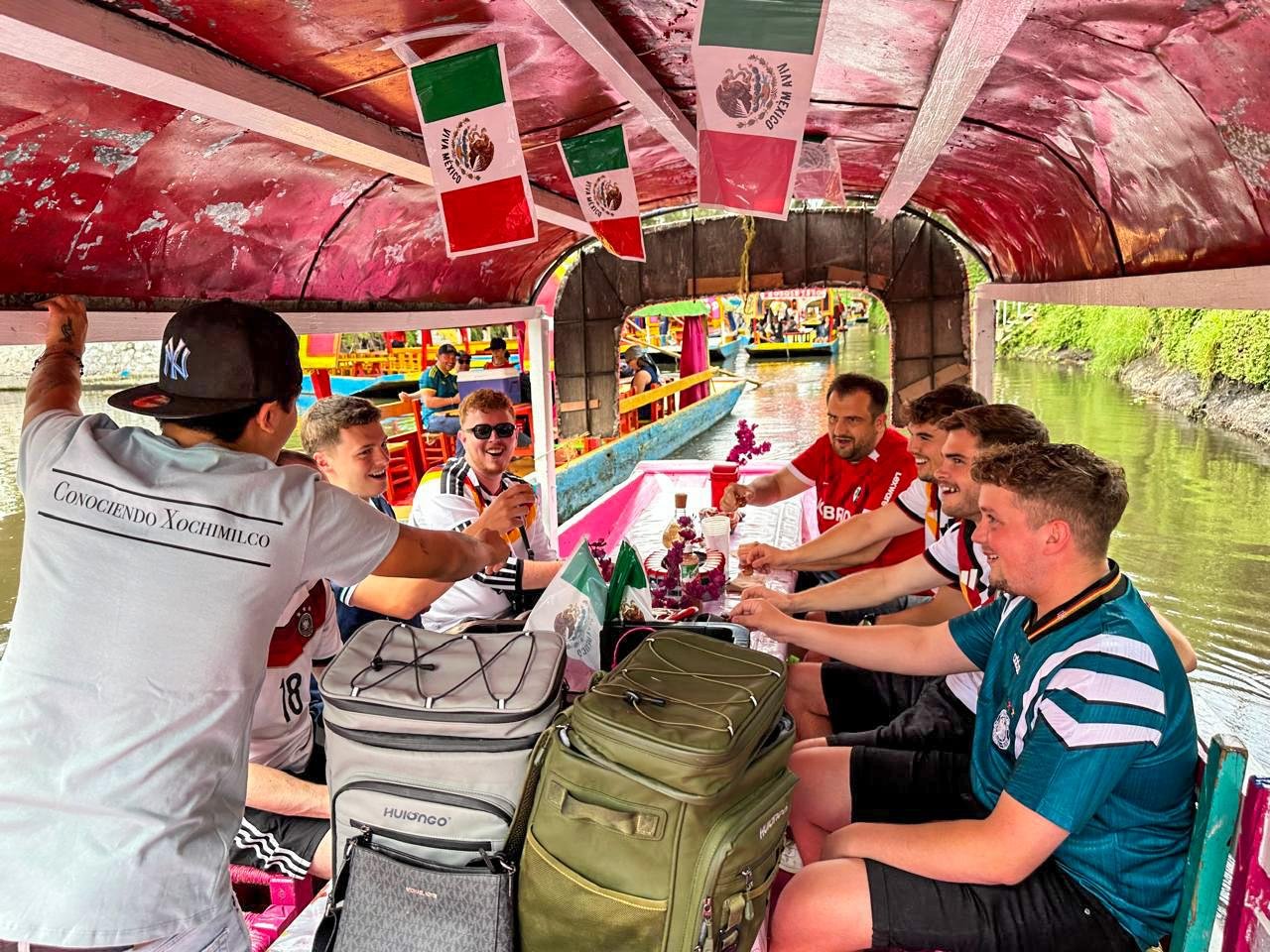
Visitors may bring their own food and non-alcoholic or alcoholic drinks onto the trajinera at no extra charge, and floating vendors sell snacks, micheladas, and drinks directly to the boat mid-canal. Coolers are permitted since each boat is rented as a private unit rather than shared seating. Glass containers are best avoided given the narrow canal and low freeboard.

Not allowed

× Glass bottles × Fireworks × Firearms × Illegal substances × Loud speaker systems without permission × Drones without prior authorization × Large suitcases × Open flames × Fishing equipment × Single-use plastic bags (discouraged by canal conservation rules) × Spearfishing gear × Motorized personal watercraft

What to bring

✓ Cash in pesos ✓ Sunscreen ✓ Hat or cap ✓ Reusable water bottle ✓ Light jacket for evenings ✓ Waterproof phone pouch ✓ Snacks or drinks ✓ Insect repellent

Opening hours

Mon 09:00 – 18:00

Fewer tour buses before 11:00

Tue 09:00 – 18:00

Quietest weekday for the canals

Wed 09:00 – 18:00

Light midweek boat traffic

Thu 09:00 – 18:00

Boat rowers less booked than weekends

Fri 09:00 – 18:00

Crowds start building by afternoon

Sat 09:00 – 18:00

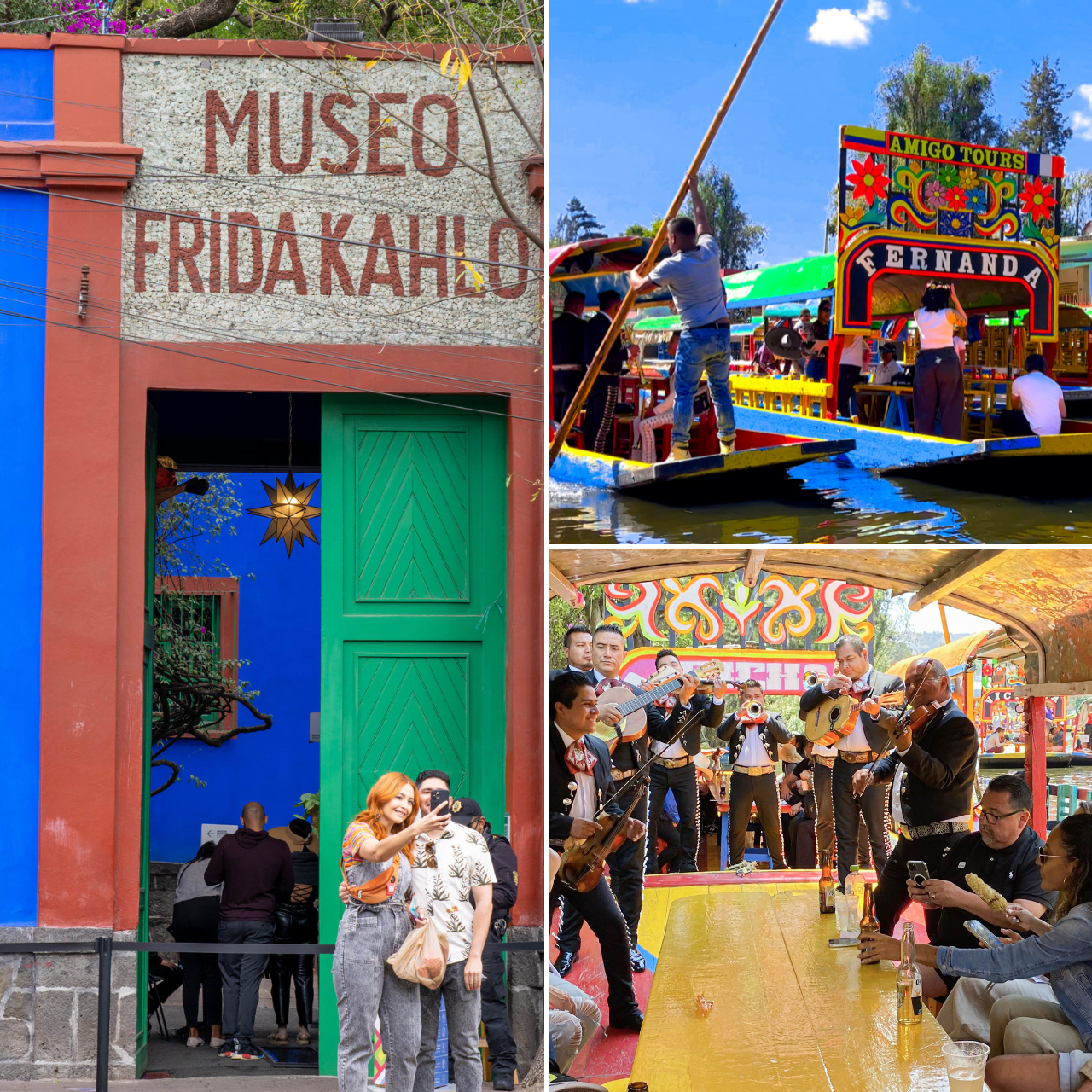
Mariachi boats and heavier canal traffic

Sun 09:00 – 18:00

Busiest day, families and large groups

At a glance

Hours

Daily 09:00–18:00, every day of the year;location

Getting there

Public transport · 60–75 min from downtown · Roughly 10–20 MXN in combined fares;Car

Take Metro Line 2 to Tasqueña, transfer to the Tren Ligero to its final stop at Xochimilco, then a short bus or taxi to Embarcadero Nativitas.

Cancellation policy

Trajinera bookings can typically be cancelled or rescheduled free of charge up to 24 hours before departure; cancellations inside that window may forfeit part of the 750 MXN hourly rate already paid. Weather-related cancellations are generally rebooked or refunded in full since the canals are an open-air activity.

Plan ahead

When to go — year at a glance

Weather · crowds · average price — dots go green to amber to red as each metric rises.

Winter (Dec–Feb)

Cool, dry mornings around 8–15°C make canal rides comfortable, and weekday crowds are noticeably thinner than in summer.

Insider tips

Helpful tips for your visit

Book a full boat, not a seat

Trajineras are rented per boat rather than per passenger, so group up with friends or family to split the 750 MXN hourly rate.;Bring small bills

Where to meet

Meeting points

Embarcadero Nativitas main dock

Embarcadero Nativitas, Xochimilco, Ciudad de Mexico

Central boat rental booths and ticket booth are here

Get directions
The story

The history behind the site

In Mexica cosmology, the axolotl was no ordinary creature. The god Xolotl, twin of Quetzalcoatl and lord of the evening star, fled his own sacrifice by descending into the waters of the Valley of Mexico. There he transformed into the first axolotl, its name binding his own to the Nahuatl atl, meaning water. This origin gave the salamander sacred weight in Tenochtitlan, the island capital the Mexica founded in 1325. The animal appeared in ritual and also on the plate, roasted and served in markets that Bernardino de Sahagun documented in his sixteenth-century Florentine Codex. The chinampas, the raised garden beds engineered across the shallow lakes, gave the xochimilco axolotl its lasting refuge. When Spanish forces drained the lake system after the 1521 conquest, the sprawling wetland shrank to the canal remnants that survive around Xochimilco today. These waters were named a UNESCO World Heritage Site in 1987, yet the salamander within them was already sliding toward crisis. Surveys in the late 1990s counted thousands of individuals per square kilometre. A 2014 census recorded densities so low that some transects found none at all. The collapse drove urgent science. Researchers from UNAM, the national university, built captive-breeding colonies and pioneered chinampa refuges, sealed canal sections cleared of invasive carp and tilapia. Visitors reaching these sanctuaries by trajinera see conservation practised on the water itself. Many book xochimilco axolotl tours precisely to witness this work, and demand for the guided xochimilco axolotl tour has helped fund the biologists who run it. Those who purchase xochimilco axolotl tickets support a living laboratory rather than a museum. The biology behind the myth is itself remarkable. The axolotl retains its larval form for life, a trait called neoteny, and regenerates limbs, spinal tissue, and portions of its brain. That regenerative power now anchors laboratories worldwide. Among Mexico City landmarks, few carry so direct a line from Aztec deity to modern genetics, and fewer still depend so completely on the fragile canals that first sheltered them nearly seven centuries ago.

1325

The Mexica found Tenochtitlan, embedding the axolotl in ritual and cuisine.

16th c.

Sahagun's Florentine Codex records the salamander sold roasted in city markets.

1521

Spanish conquest begins draining the lake system, shrinking the wetland to canals.

1987

Xochimilco's canals and chinampas are named a UNESCO World Heritage Site.

1990s

Field surveys count thousands of axolotls per square kilometre in the canals.

2014

A census records densities near zero, with some transects finding none.

2020s

UNAM operates captive-breeding colonies and sealed chinampa refuges to rebuild the population.

Gallery

Moments from the experience

With kids

Visiting with kids

Visiting the xochimilco axolotl sanctuary with kids works best when you treat the trajinera as a floating living room rather than a quick ride, since a private boat gives toddlers room to move without the fuss of a packed public one. Families who book skip-the-line xochimilco axolotl tours in the morning tend to have the calmest, least crowded canal experience.

Boat rental

A single trajinera fits a dozen or more people at the 750 MXN hourly rate, so splitting one boat across two or three families brings the per-head cost down while giving kids space to spread out snacks and toys on the center table.

Best ages

Toddlers through early teens do well since the boat ride itself is calm and low-effort, though babies need a caregiver holding them as there are no seatbelts or railtops on the flat-bottomed boats.

Pacing

Arrive in the 09:00-11:00 window, book a two-hour block, and treat the first hour as canal cruising with a bathroom-stop break before reaching the axolotl sanctuary stop, so young children aren't rushed off the boat.

Facilities

Wheelchair- and stroller-accessible boarding is available at the main embarcadero, with one accessible restroom near the entrance shops, but plan bathroom breaks around the guide's scheduled stop rather than on demand.

Keeping kids engaged

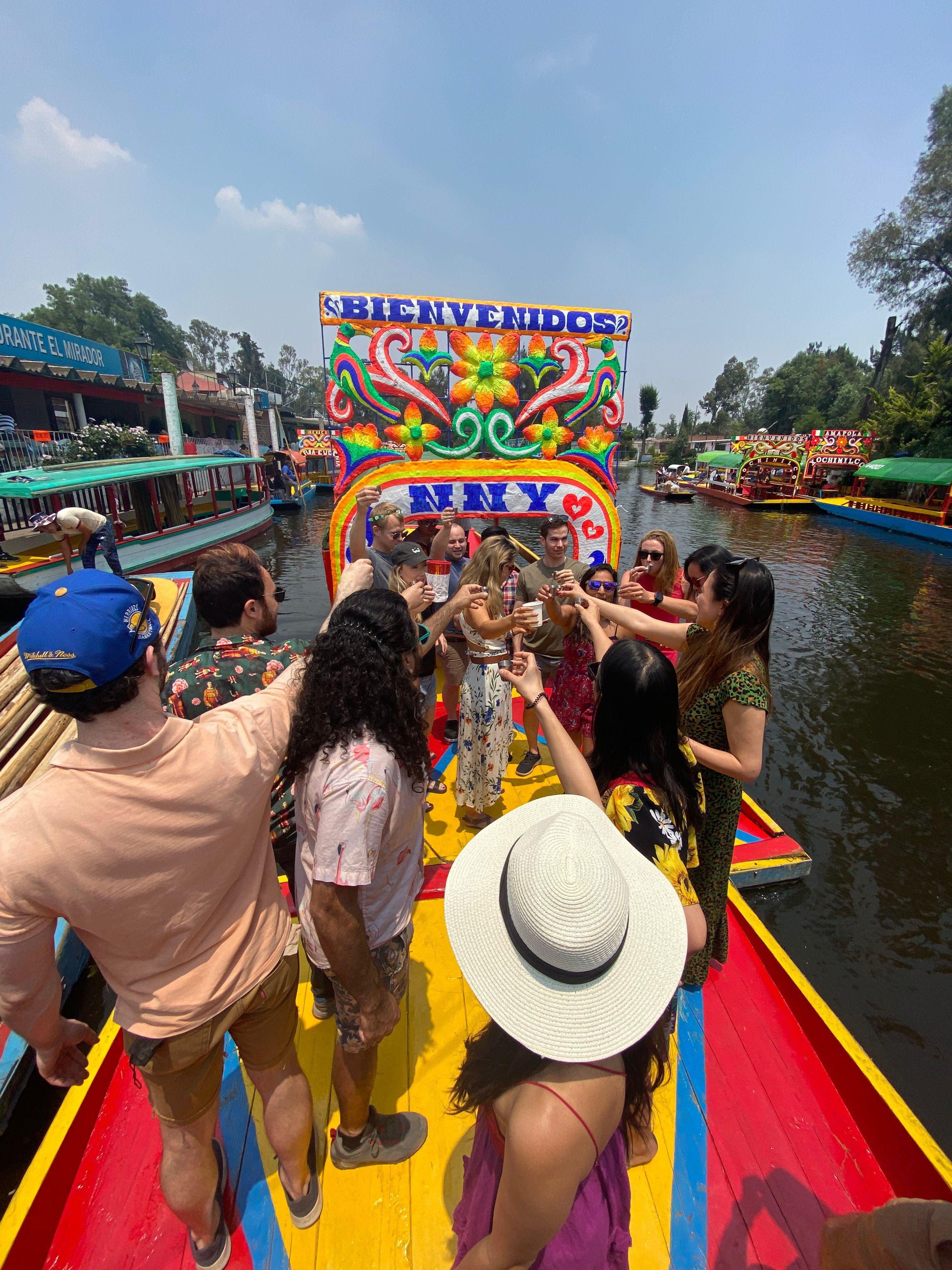
Canal-side vendors selling corn, snacks, and souvenirs float right up to the boat, and passing mariachi bands and decorated trajineras give young children plenty to watch before the sanctuary comes into view.

Strollers

Bring a lightweight umbrella stroller rather than a full-size one, since it folds easily for boarding and storing under the center table during the ride.

Food & drink

Where to eat nearby

There is no formal restaurant row at the sanctuary gate itself; near the xochimilco axolotl embarcadero, eating is mostly done on the water. Floating vendors paddle up to your trajinera with food and drinks, and a couple of named canal-side spots sit within a short walk of the dock.

Floating food canoes at Nativitas

$3-8 per item

Canal vendors alongside your boat

Small paddled canoes pull up selling elotes, esquites, micheladas, and tacos. Busiest midday when tour buses arrive; pay per item in cash rather than as part of the boat rental. Good for a quick snack without leaving the trajinera.

Mariachi and marimba boats

$5-15 per song

Musicians on floating platforms

Not food exactly, but part of the same on-canal economy: bands drift alongside and play for a per-song fee. Weekends bring several competing groups at once. Pairs naturally with a chinampa meal stop on longer xochimilco axolotl tours.

Restaurante Los Manantiales

$$

Sit-down restaurant, short walk/boat ride

Landmark Félix Candela building near the Nativitas canals serving Mexican classics like mole and pozole. Better suited to a lunch stop after the tour than a quick bite, and can get busy with groups on weekends. Reachable on foot or by boat from the embarcadero.

Chinampa lunch stops

$10-20

Farm-hosted meal on tour route

Some xochimilco axolotl tours include a stop at a working chinampa where a family serves a simple set lunch, paid separately from the boat fee. Worth confirming in advance since not every trajinero includes this detour.

Customer Reviews

What travelers say

Real experiences from real travelers

4.6
Based on undefined reviews
1 ★ 180
2 ★ 210
3 ★ 640
4 ★ 2100
5 ★ 9200
M
Marisol R.
Spain · 2026-06-14

Boat and salamander combo

We booked a morning slot and the water was mirror-still before the crowds arrived. Seeing the xochimilco axolotl in the sanctuary tanks after the canal ride made the whole thing click for me, and the chinampa gardens along the way smelled of wet earth and marigold. Bring a light jacket, the shade over the water stays cool until midday.

J
James T.
United States · 2026-05-02

Quiet channels, real science

The guide steered us off the party route into the narrow channels where the ajolotario sits. The xochimilco axolotl tour felt more like a wetland ecology walk than a tourist ride, which is exactly what we wanted. Water was glassy and green, and you could hear frogs the whole way.

Y
Yuki N.
Japan · 2026-03-19

Worth the early start

The trajinera left around 8am and the light on the floating gardens was soft and low. We only glimpsed a couple of the salamanders in the murk, so manage expectations, but the guide explained the endemic species and the chinampa farming clearly. Wooden benches got hard after two hours.

A
Andrés M.
Mexico · 2026-07-08

Endemic wonder up close

Growing up here I never actually visited the sanctuary until now. The xochimilco axolotl conservation work is doing something real, and the staff let us watch a juvenile feed in the clear basin. The canal ride back at golden hour with the volcanoes faint on the horizon was the quiet highlight.

C
Chloe D.
France · 2026-04-27

Peaceful morning on the water

Skip the loud embarcadero and ask for the ecological route. The narrow chinampa canals were still and misty, and the ajolotario visit gave the trip real substance. Our guide spoke slowly and answered every question about the amphibian.

L
Lukas B.
Germany · 2026-02-11

Better than expected

I almost skipped this thinking it was a gimmick, but the ajolotario and the wetland felt genuine. The xochimilco axolotl tickets included a short talk on why the species is endangered and how the canals sustain it. Overcast day, cold water, very few other boats.

P
Priya S.
United Kingdom · 2026-06-30

Good for curious kids

Our two were fascinated watching the frilled gills of the salamanders in the tanks. The trajinera part is slow and long, so pack snacks and patience. Lovely reflections on the water in the late afternoon though.

G
Gabriela F.
Brazil · 2026-01-22

Floating gardens and gills

The chinampa landscape is the real surprise here, ribbons of green farmland threaded by canals. We joined one of the xochimilco axolotl tours run by a local cooperative and the guide clearly cared about the wetland. Bring cash for the return and sunscreen for the open stretches.

D
Daniel O.
Canada · 2026-05-18

Slow travel done right

Cool grey morning, no wind, and the water was like glass all the way to the ajolotario. Learning that the xochimilco axolotl survives almost nowhere else in the wild changed how I looked at the whole system of Xochimilco landmarks. The guide knew the channels by heart.

S
Sofia L.
Italy · 2025-12-09

Chilly but rewarding

Went in December and the wetland was quiet and cold, mist hanging over the chinampas. Saw fewer salamanders than hoped but the sanctuary tanks made up for it. The Xochimilco canal tour section felt authentic rather than staged.

FAQ

Frequently asked questions

Everything you need to know for your journey

Around the corner

Nearby landmarks worth a detour

Mercado de Xochimilco

10 min walk

market

A large covered market near the historic center selling produce, flowers, and traditional Xochimilco street food.

Where to stay

Where to stay nearby

Xochimilco historic center district

10–15 min drive

district

A cluster of small hotels and guesthouses near the town plaza, within easy reach of Embarcadero Nativitas.

Ready for Adventure?

Join thousands of happy travelers who have discovered this incredible experience

Book Your Experience Now